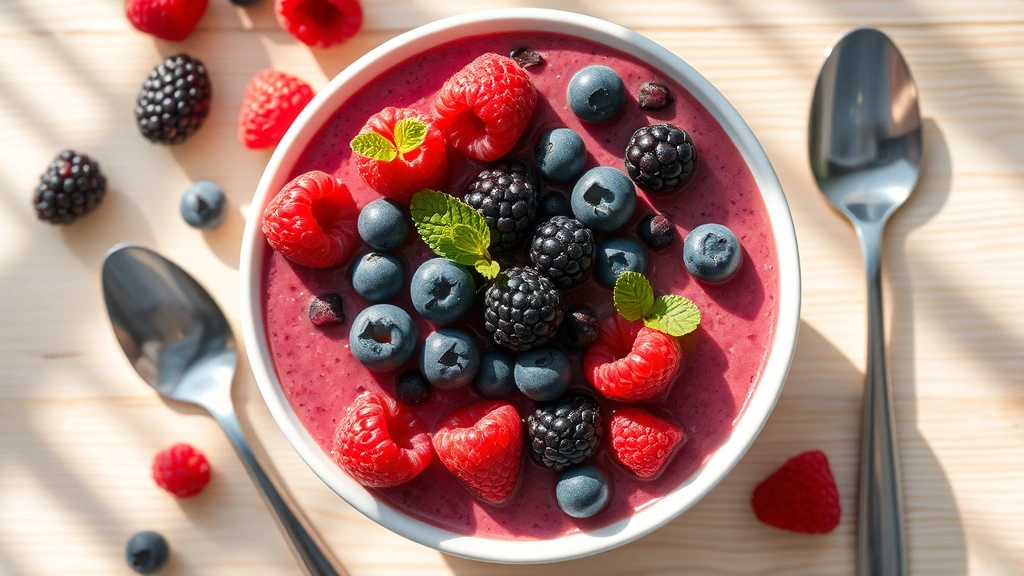
Fruit smoothies often get a mixed reputation in weight loss circles, but when prepared thoughtfully, they can become powerful allies in your journey toward a healthier weight. The key lies in understanding which fruits, proteins, and add-ins create satisfying, nutrient-dense drinks that support rather than sabotage your goals. This guide reveals what nutritionists actually recommend when clients ask for the best fruit smoothies for weight loss.
Many people struggle with smoothies because they unknowingly pack them with added sugars, high-calorie nut butters, and oversized portions of fruit. However, strategic smoothie construction—balancing fiber, protein, and healthy fats—can create meals that keep you full for hours while delivering essential vitamins and minerals. Whether you’re looking to track your weight loss progress or simply want convenient nutrition, the right smoothie formula matters tremendously.
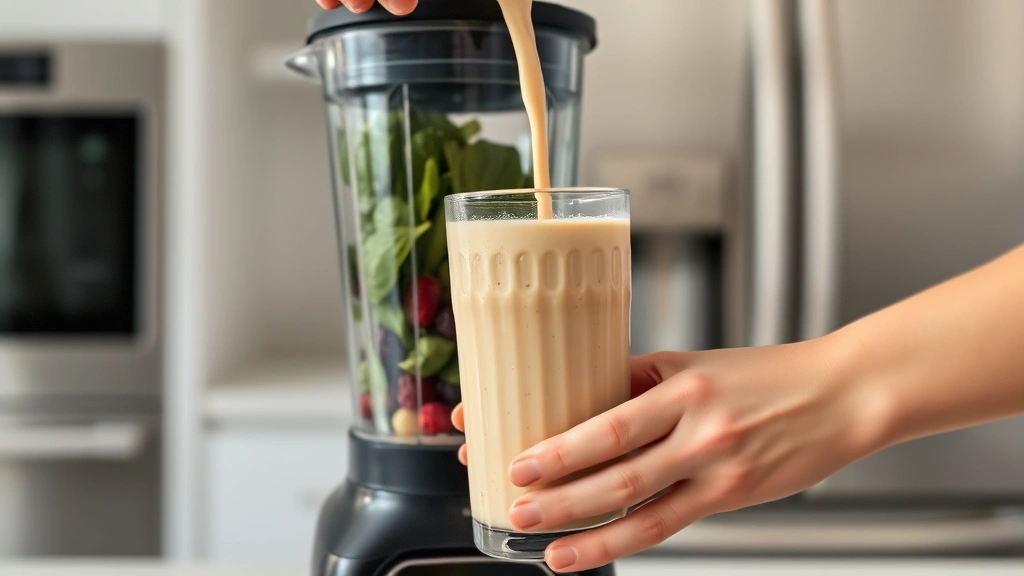
The Science Behind Weight Loss Smoothies
Weight loss fundamentally depends on creating a caloric deficit while maintaining adequate nutrition. Smoothies can facilitate this when they’re designed as complete meals rather than sweet treats. Research from the National Institutes of Health demonstrates that meal replacement smoothies with adequate protein reduce hunger hormones and increase satiety compared to liquid calories without protein.
The ideal weight loss smoothie contains approximately 200-300 calories, at least 15-20 grams of protein, 5+ grams of fiber, and minimal added sugars. This macronutrient balance triggers satiety signals in your brain, reducing overall calorie intake throughout the day. Additionally, whole fruit smoothies (not juices) retain fiber, which slows digestion and prevents blood sugar spikes that trigger cravings.
A groundbreaking study published in the American Journal of Clinical Nutrition found that individuals consuming smoothies with protein and fiber experienced significantly greater weight loss than those drinking calorie-matched juices. The difference came down to ingredient quality and macronutrient composition.

Best Fruits for Weight Loss Smoothies
Not all fruits are created equal when pursuing weight loss. While fruit contains natural sugars, certain varieties offer superior nutrient density and lower sugar-to-fiber ratios. Nutritionists consistently recommend these top choices:
Berries reign supreme in weight loss smoothies. Blueberries, raspberries, blackberries, and strawberries contain powerful anthocyanins and polyphenols—compounds linked to reduced inflammation and improved metabolic health. They’re also relatively low in calories (roughly 50-80 per cup) while delivering substantial fiber. A half-cup serving satisfies sweetness cravings without excessive sugar.
Avocado, technically a fruit, deserves special mention for weight loss smoothies. Half an avocado adds creamy texture while contributing monounsaturated fats that enhance satiety and nutrient absorption. Research from the American College of Sports Medicine indicates that fat-containing smoothies produce longer-lasting fullness than fat-free versions.
Banana works best in moderation—one-third to one-half of a medium banana per smoothie. While bananas contain more natural sugars than berries, they provide resistant starch (especially when slightly green) that feeds beneficial gut bacteria and improves metabolic health. The potassium supports healthy blood pressure during weight loss.
Citrus fruits like lemon, lime, and grapefruit add brightness and vitamin C without significant calories. They also contain naringenin, a compound associated with improved insulin sensitivity. Orange is acceptable in small amounts (one-quarter to one-third) but watch total fruit sugar accumulation.
Tart cherries offer anti-inflammatory benefits and melatonin for better sleep—crucial for weight management. Studies show sleep-deprived individuals gain weight more readily. A quarter-cup of tart cherry juice concentrate or frozen tart cherries adds flavor while supporting recovery.
Fruits to minimize include mango, pineapple, and dried fruits like dates or raisins. These deliver concentrated sugars that can spike blood glucose and trigger cravings. If you enjoy tropical flavors, use one-quarter cup maximum and compensate with additional protein.
Protein Sources That Transform Your Smoothie
Protein is the non-negotiable ingredient separating weight loss smoothies from sugary beverages. It’s the single most important factor for satiety, muscle preservation during calorie deficits, and metabolic health. Nutritionists recommend these protein sources:
Whey protein powder remains the gold standard—it’s affordable, mixes smoothly, provides all essential amino acids, and typically contains minimal additives. Choose unflavored or vanilla varieties to pair with any fruit. Research shows whey protein specifically activates satiety centers in the brain more effectively than plant proteins.
Greek yogurt delivers 15-20 grams of protein per six-ounce serving while adding creamy texture. It’s also a whole food, providing probiotics for digestive health. Select plain, unsweetened versions to avoid hidden sugars. A half-cup of full-fat Greek yogurt adds satisfying fat alongside protein.
Cottage cheese is an underutilized smoothie ingredient containing casein protein, which digests slowly and keeps you fuller longer than faster-digesting proteins. Blend it thoroughly for a smooth texture. One-half cup provides 12-15 grams of protein with minimal added sugar.
Plant-based options work well for vegan smoothies when combined. Pea protein isolate, hemp seeds, and chia seeds together create a complete amino acid profile. Use plant-based protein powder (20-25g) plus two tablespoons of seeds for optimal results. Be aware that plant proteins alone may be less satiating than animal proteins.
Nut butters provide protein but should be used sparingly—one tablespoon (190 calories) is the maximum. They add richness and satiety but can quickly inflate smoothie calories if you’re not measuring carefully. Choose natural versions without added oils or sugars.
The Power of Fiber and Satiety
Dietary fiber is weight loss’s unsung hero. It slows gastric emptying, feeds beneficial bacteria, and creates the physical fullness that prevents overeating. Whole fruits (not juices) automatically provide fiber, but you can amplify this benefit strategically.
Soluble fiber from oats, chia seeds, and flax seeds dissolves into a gel-like substance that extends satiety. Add one-quarter to one-half cup of rolled oats or two tablespoons of ground flaxseed to your smoothie. This addition increases fiber to 8-10 grams per smoothie—roughly one-third of daily recommendations.
Psyllium husk is a powerful soluble fiber source that expands in your stomach, creating significant fullness signals. Start with one teaspoon mixed in smoothies; too much can cause digestive discomfort if you’re not accustomed to high fiber. Drink plenty of water when consuming psyllium.
Vegetables add fiber without sugar. Spinach, kale, and zucchini are virtually invisible in smoothies while boosting micronutrient content. One cup of leafy greens adds negligible calories but 1-2 grams of fiber. They’re particularly valuable for adding volume without affecting taste when paired with fruit.
The combination of protein, fiber, and healthy fats creates what researchers call the “satiety equation.” A smoothie containing 20g protein, 8g fiber, and 5g healthy fat triggers maximum fullness signals while remaining under 300 calories. This is why high protein recipes for weight loss consistently outperform low-protein alternatives.
Top Nutritionist-Approved Smoothie Recipes
The Green Protein Classic: One cup unsweetened almond milk, one scoop vanilla whey protein, one cup fresh spinach, one-half frozen banana, one-half cup blueberries, one tablespoon almond butter, one-half cup ice. Blend until smooth. Nutrition: 280 calories, 22g protein, 8g fiber, 6g fat.
The Greek Yogurt Berry Blend: Two-thirds cup plain Greek yogurt, one-half cup frozen raspberries, one-quarter cup frozen strawberries, one-third medium banana, one-half cup unsweetened coconut milk, two tablespoons ground flaxseed, ice. Nutrition: 240 calories, 18g protein, 9g fiber, 7g fat.
The Cottage Cheese Tropical: One-half cup cottage cheese, one-quarter cup pineapple (fresh or frozen), one-quarter cup mango, one-third banana, one cup unsweetened almond milk, one tablespoon chia seeds, ice. Nutrition: 220 calories, 15g protein, 7g fiber, 5g fat.
The Vegan Power Smoothie: One cup unsweetened soy milk, one scoop plant-based protein powder, one-half cup blueberries, one-quarter cup spinach, two tablespoons hemp seeds, one-half tablespoon almond butter, one-quarter cup oats, ice. Nutrition: 290 calories, 22g protein, 8g fiber, 8g fat.
The Chocolate Avocado (surprisingly delicious): One cup unsweetened almond milk, one scoop chocolate protein powder, one-half avocado, one-quarter frozen banana, one-half cup ice, one tablespoon cocoa powder (unsweetened), one tablespoon almond butter. Nutrition: 310 calories, 25g protein, 7g fiber, 12g fat.
The Tart Cherry Recovery: One cup plain Greek yogurt, one-quarter cup tart cherry juice concentrate, one-half cup blueberries, one-third banana, one-half cup ice, one tablespoon honey (optional), two tablespoons ground flaxseed. Nutrition: 250 calories, 20g protein, 8g fiber, 5g fat.
These recipes demonstrate that weight loss smoothies needn’t taste like punishment. Each combines familiar flavors with strategic macronutrients. Mix and match fruits and proteins based on preferences while maintaining the core structure: liquid base, protein source, fruit, fiber addition, and healthy fat.
Common Smoothie Mistakes to Avoid
Adding honey, agave, or other sweeteners is the most common sabotage. Fruit already provides sweetness; additional sweeteners add 60-100 empty calories per tablespoon. If you genuinely need more sweetness, use one teaspoon maximum or experiment with vanilla extract, cinnamon, or unsweetened cocoa powder.
Using fruit juice instead of whole fruit removes fiber while concentrating sugars. Juice passes through your digestive system quickly, spiking blood sugar and failing to trigger satiety. Always choose whole fruits, even frozen varieties—they’re equally nutritious and often less expensive.
Oversized portions plague many smoothie makers. A smoothie should be one meal or substantial snack (200-300 calories), not a supplement on top of regular meals. Many commercial smoothies exceed 600 calories. Measure your ingredients, especially fruit and nut butters, which are calorie-dense.
Forgetting the protein creates a sugary beverage masquerading as nutrition. Without protein, smoothies fail to trigger satiety and can actually increase hunger within an hour. This is why combining smoothies with consistent exercise requires protein to preserve muscle.
Using yogurt with added sugars defeats the purpose. Many “fruit” yogurts contain 15-20 grams of added sugar. Select plain varieties and add your own fresh fruit—you’ll save calories and control sweetness.
Neglecting liquid ratios creates either sludge or milkshakes. Use one to one-and-a-half cups of liquid total (unsweetened almond milk, coconut milk, or water work best). Avoid whole milk unless you need the extra calories, and skip commercial smoothie base products that contain added sugars.
Blending with ice cream or frozen yogurt dramatically increases calories. One-half cup of ice cream adds 200+ calories and minimal nutrition. If you want creaminess, use Greek yogurt, cottage cheese, or avocado instead.
How to Make Smoothies Part of Your Routine
Consistency matters more than perfection with smoothies. Establishing a sustainable routine ensures you actually consume these beneficial meals rather than abandoning them after initial enthusiasm.
Prep frozen smoothie packs on weekends. Portion fruit, greens, and seeds into freezer bags with labels. When you’re ready for a smoothie, simply empty a pack into your blender with protein powder and liquid. This reduces morning friction and ensures you have weight loss-friendly options available.
Keep shelf-stable staples stocked: unsweetened almond milk, protein powder, chia seeds, ground flaxseed, rolled oats, and unsweetened cocoa powder. Pair these with whatever fresh or frozen fruit is on sale. This approach saves money while ensuring consistent nutrition.
Use smoothies strategically within your routine. Many nutritionists recommend smoothies as post-workout recovery meals—the carbs from fruit replenish glycogen while protein supports muscle repair. Alternatively, a breakfast smoothie containing adequate protein prevents mid-morning hunger and reduces overall daily calorie intake.
Combine smoothies with other weight loss strategies. While smoothies are valuable, they work best alongside consistent tracking of body composition and professional guidance from a personal trainer. No single food creates weight loss; the entire lifestyle ecosystem matters.
Listen to hunger cues. A properly formulated smoothie should keep you satisfied for 3-4 hours. If you’re hungry within an hour, you likely need more protein or fiber. Adjust recipes based on your individual satiety response rather than following recipes rigidly.
Avoid smoothie addiction. While convenient, whole foods provide superior nutrient density and eating experience. Limit smoothies to one daily as a meal replacement or substantial snack. Variety in your diet ensures you receive diverse micronutrients.
The transition toward sustainable weight loss happens gradually. Replacing one high-calorie beverage or meal daily with a strategically designed smoothie creates a 300-500 calorie daily deficit—the foundation of consistent, sustainable weight loss without extreme restriction or deprivation.
FAQ
Can I drink smoothies every day for weight loss?
Yes, but ideally not more than once daily. Smoothies work best as one meal or substantial snack within a balanced diet including whole foods. Daily smoothies provide convenience and nutrition, but variety ensures you receive diverse micronutrients whole fruits and vegetables provide.
What’s the best time to drink a weight loss smoothie?
Post-workout smoothies leverage carbs and protein for recovery while preventing excessive hunger afterward. Breakfast smoothies with adequate protein prevent mid-morning cravings and reduce total daily calorie intake. Avoid smoothies as evening snacks unless they’re genuinely hunger-driven, as evening calories are more likely to be stored as fat.
How many calories should a weight loss smoothie contain?
Aim for 200-300 calories if the smoothie replaces a meal or 150-200 calories if it’s a substantial snack. This range provides satiety without excessive caloric intake. Always prioritize adequate protein (15-20g) over keeping calories artificially low, as protein creates the fullness that prevents overeating later.
Are frozen fruits as nutritious as fresh?
Frozen fruits are equally nutritious—often more so. They’re frozen at peak ripeness, preserving nutrients. Fresh fruit often travels long distances and sits in storage, degrading micronutrient content. Frozen fruits are also more economical and reduce food waste.
Can I use protein powder alternatives?
Absolutely. Greek yogurt, cottage cheese, nut butters, seeds, and plant-based protein powders all work. However, ensure you’re achieving 15-20 grams of total protein. Relying solely on nuts or seeds requires larger portions that increase calories. Combining multiple protein sources works well for those avoiding powders.
Will smoothies cause bloating?
Some people experience bloating from high fiber intake, especially if they’re unaccustomed to it. Introduce fiber gradually, drinking plenty of water. Avoid artificial sweeteners like sugar alcohols (sorbitol, xylitol) which cause digestive distress in sensitive individuals. If bloating persists, reduce fiber additions or consult a registered dietitian.
How do I prevent my smoothie from separating?
Separation occurs when liquid settles below solid ingredients. Blend thoroughly until completely smooth, or drink immediately after blending. Adding a thickening agent like one-quarter cup oats, chia seeds, or flaxseed reduces separation and improves texture.


