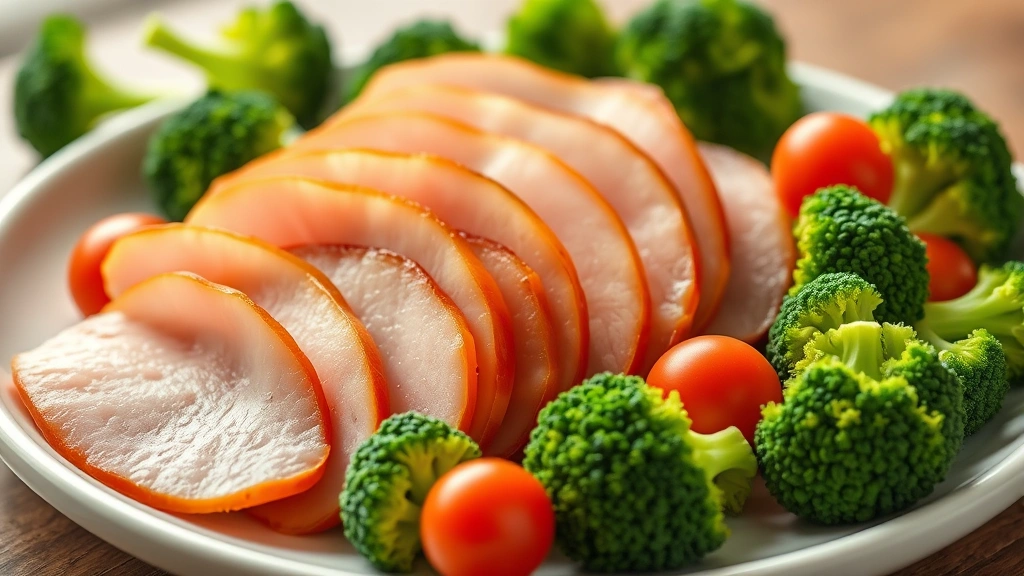
Hams for Weight Loss? Nutritionist Explains
When it comes to weight loss nutrition, processed meats like ham often get a bad reputation. High in sodium, preservatives, and sometimes added sugars, ham isn’t typically the first choice that comes to mind for health-conscious eaters. However, the full story is more nuanced. Ham can actually fit into a balanced weight loss plan when selected carefully and consumed strategically. Understanding the nutritional profile of different ham varieties and how to incorporate them wisely is key to making informed dietary choices.
Weight loss success depends on creating a sustainable calorie deficit while maintaining adequate protein intake and overall nutritional balance. Protein-rich foods play a crucial role in this equation, helping preserve muscle mass, increase satiety, and boost metabolism. The question isn’t whether ham can support weight loss, but rather how to choose the right type and portion size to align with your goals. Let’s explore what nutritionists recommend about ham consumption during a weight loss journey.
Nutritional Profile of Ham
A typical serving of ham (3 ounces or about 85 grams) contains approximately 90-150 calories depending on the cut and preparation method. The macronutrient breakdown reveals why ham can be valuable for weight loss: it’s high in protein while relatively low in fat and carbohydrates. Most ham varieties provide 12-18 grams of protein per serving, making it an efficient protein source for building and maintaining lean muscle mass during a calorie deficit.
Beyond protein, ham contains essential micronutrients including B vitamins (particularly B6 and B12), selenium, phosphorus, and zinc. These nutrients support energy metabolism, immune function, and tissue repair—all important during weight loss when your body is undergoing metabolic stress. However, it’s crucial to acknowledge that ham is processed meat, which means it contains added sodium and often nitrates or nitrites as preservatives. A 3-ounce serving typically contains 800-1000mg of sodium, which represents 35-45% of the daily recommended intake for most adults.
The caloric density of ham is moderate compared to other protein sources. When compared to fatty cuts of beef or pork, ham offers reasonable calorie efficiency. A lean ham provides approximately 30-40 calories per gram of protein, which is competitive with other affordable protein sources. This makes it accessible for people on various budgets who are trying to meet their protein needs without exceeding calorie goals.

Types of Ham and Their Differences
Not all ham is created equal from a nutritional standpoint. Understanding the different varieties helps you make choices aligned with your weight loss objectives. Honey ham and glazed hams contain added sugars that increase the calorie content without providing nutritional benefit—these should be avoided or minimized during weight loss. A slice of honey ham might contain 2-4 grams of added sugar, which adds 8-16 calories and spikes blood glucose levels.
Lean ham and low-sodium ham represent better choices for weight loss. Lean varieties contain less intramuscular fat, reducing overall calories while maintaining protein content. Low-sodium versions can contain 25-50% less sodium than standard ham, making them more suitable for those monitoring salt intake or managing blood pressure. When shopping, look for labels indicating “97% fat-free” or “reduced sodium” to identify the most weight-loss-friendly options.
Black Forest ham and premium varieties are often lower in sodium and additives compared to mass-produced options, though they may come at a higher price point. Some specialty producers create uncured or minimally processed ham alternatives that appeal to health-conscious consumers, though these typically cost more and may have different taste profiles.
Deli counter ham versus packaged ham presents another consideration. Fresh-sliced ham from the deli counter may offer more customization and potentially fresher product, but packaged ham provides portion control and transparency through nutrition labels. For weight loss tracking purposes, packaged ham’s clear labeling makes calorie and macronutrient accounting easier.
Ham and Protein for Weight Loss
Protein stands as one of the most important nutrients for successful weight loss, and this is where ham offers legitimate benefits. protein strategies for weight loss consistently emphasize adequate intake to preserve muscle mass while in a calorie deficit. Ham delivers complete protein containing all nine essential amino acids, supporting muscle protein synthesis and recovery, especially when combined with compound exercises for weight loss.
Research published by the American Journal of Clinical Nutrition demonstrates that higher protein intake during weight loss reduces hunger hormones like ghrelin and increases satiety hormones like peptide YY. This mechanism explains why including ham in meals can reduce overall calorie consumption by promoting fullness and reducing subsequent snacking. A ham-based lunch might keep you satisfied for hours, preventing the mid-afternoon energy crash that leads to unhealthy food choices.
The thermic effect of protein—the calories burned during digestion—is approximately 20-30% of protein calories consumed, compared to 5-10% for carbohydrates and 0-3% for fats. This means consuming 100 calories from ham requires your body to burn 20-30 of those calories during digestion, providing a metabolic advantage over other macronutrients. When incorporated strategically, ham can support your weight loss metabolism more effectively than many alternatives.
For individuals managing insulin resistance, ham’s protein content and minimal carbohydrate load make it particularly valuable. Unlike processed foods with high sugar content, ham doesn’t spike insulin levels, supporting more stable blood glucose throughout the day and reducing cravings.
Sodium and Processing Concerns
The primary nutritional concern with ham is its sodium content, which typically ranges from 800-1200mg per 3-ounce serving. For context, the American Heart Association recommends limiting sodium to 2,300mg daily, with an ideal limit of 1,500mg for optimal heart health. This means a single ham serving can represent 35-80% of daily sodium recommendations, which raises valid health concerns.
Excessive sodium intake is linked to increased blood pressure, water retention, and inflammation—factors that can hinder weight loss progress. Water retention from high sodium consumption can mask fat loss on the scale, frustrating dieters despite genuine progress. Additionally, some research suggests high sodium intake may increase appetite and cravings, potentially counteracting ham’s satiety benefits.
The preservatives used in ham processing—primarily sodium nitrate and sodium nitrite—have been studied extensively. While the National Cancer Institute notes that processed meat consumption is associated with increased colorectal cancer risk, the absolute risk for moderate consumption remains relatively low. The key is moderation and frequency rather than complete avoidance.
For individuals with hypertension, heart disease, or kidney issues, the sodium content of regular ham may be problematic. In these cases, seeking low-sodium alternatives becomes essential. Fortunately, many manufacturers now produce reduced-sodium options that maintain flavor while cutting sodium content by 25-50%.
How to Include Ham in Your Diet
Strategic incorporation of ham into a weight loss diet involves portion control, frequency, and pairing with nutrient-dense foods. A reasonable serving size for weight loss is 2-3 ounces (about 2-3 thin slices), providing 12-18 grams of protein with 90-135 calories. This portion size fits comfortably into most calorie budgets while delivering meaningful protein.
Frequency matters significantly when consuming processed meats. Rather than daily consumption, limiting ham to 2-3 times weekly allows you to benefit from its protein content while minimizing exposure to sodium and preservatives. This frequency aligns with CDC dietary recommendations regarding processed meat consumption.
Optimal pairing strategies maximize ham’s weight loss benefits. Combine ham with fiber-rich vegetables like broccoli, bell peppers, or leafy greens to increase meal volume and satiety without significant calorie additions. Pair ham with whole grains like brown rice or quinoa to create balanced meals with sustained energy release. Add ham to egg-based dishes like vegetable omelets or scrambles to create satisfying, protein-rich breakfasts that support weight loss.
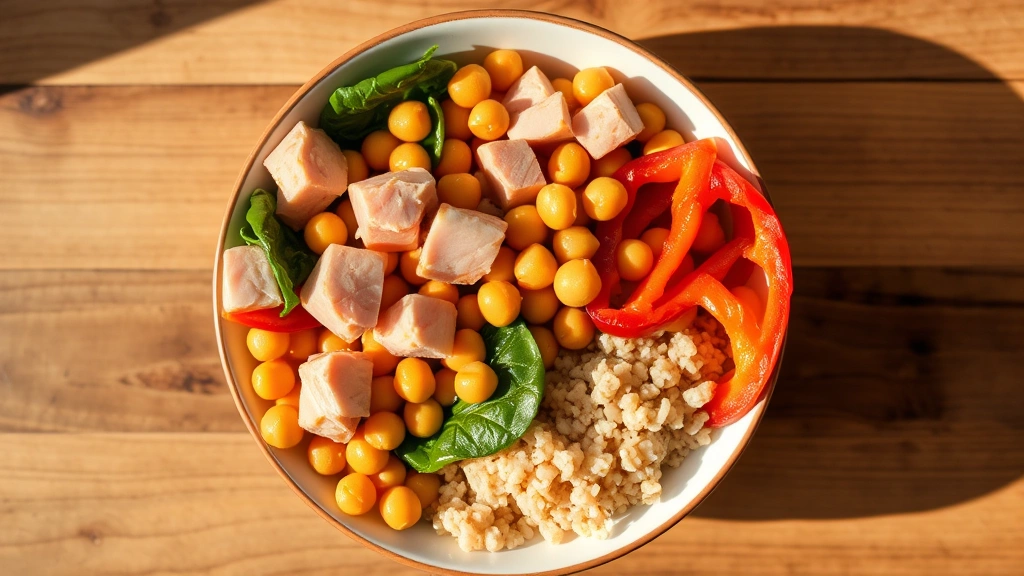
Ham works well in meal preparation for weight loss. Cube lean ham and combine with chickpeas, vegetables, and vinaigrette for ready-to-eat protein-rich bowls. Layer ham in lettuce wraps with mustard and vegetables for low-calorie, portable meals. Use ham to flavor vegetable soups or stews, adding depth without excessive calories.
Avoid pairing ham with high-calorie additions like mayo-based salads, cheese-heavy casseroles, or sugary glazes. These combinations quickly transform ham from a weight-loss-friendly protein into a calorie-dense meal that undermines your goals.
Better Alternatives and Comparisons
While ham can fit into a weight loss diet, several alternatives offer advantages worth considering. Turkey breast provides similar protein content (about 26g per 3 ounces) with significantly lower sodium (roughly 60mg per serving) and less processing. Turkey offers superior nutritional profile for those prioritizing sodium reduction or concerned about processed meat consumption.
Chicken breast remains the gold standard protein for weight loss, providing 26g protein per 3-ounce serving with only 65 calories. Fresh chicken breast contains minimal sodium and no preservatives, making it ideal for those with specific health concerns. However, chicken requires more preparation time than ready-to-eat ham.
Fish and seafood like salmon and tuna provide not only protein but omega-3 fatty acids supporting heart health and inflammation reduction. While often more expensive than ham, fish offers superior micronutrient profiles and no processing concerns.
Plant-based proteins like legumes, tofu, and tempeh appeal to vegetarians and those seeking to reduce animal product consumption. Chickpeas and lentils offer fiber alongside protein, supporting digestive health and sustained satiety. Explore plant-based nutritional strategies to diversify your protein sources.
Ham’s advantage lies in convenience and cost-effectiveness. For budget-conscious individuals or those with limited meal preparation time, ham offers accessible protein that requires no cooking. This practical advantage shouldn’t be dismissed, as consistency matters more than perfection in weight loss.
Combining Ham with Other Strategies
Ham consumption alone doesn’t create weight loss—it must fit within a comprehensive strategy including calorie deficit, regular physical activity, and sustainable lifestyle habits. Consider ham as one component of a balanced approach rather than a magic solution.
Incorporating ham alongside structured exercise programs maximizes results. The protein from ham supports muscle recovery and adaptation to training stress, making workouts more effective. This synergy between adequate protein intake and consistent exercise accelerates weight loss while preserving lean mass.
For those considering pharmaceutical weight loss approaches, ham fits well into structured nutritional protocols. Most weight loss medications work best when combined with adequate protein intake and calorie control, making ham a practical dietary component.
Hydration deserves mention when consuming ham regularly due to its sodium content. Drinking adequate water helps your body manage sodium balance and supports overall metabolic function. Aim for 8-10 glasses daily, adjusting based on activity level and climate.
Monitor your individual response to ham consumption. Some people experience increased water retention or bloating from sodium, while others notice appetite suppression from the protein. Track how ham affects your hunger cues, energy levels, and scale progress to determine whether it supports your specific goals.
FAQ
Can I eat ham every day while losing weight?
Daily ham consumption isn’t recommended due to sodium and preservative content. Limiting intake to 2-3 times weekly provides protein benefits while minimizing health risks. Vary your protein sources to ensure nutritional diversity and reduce processed meat exposure.
Is low-sodium ham significantly better for weight loss?
Low-sodium ham reduces water retention and blood pressure concerns, making it preferable for weight loss. However, all ham varieties support weight loss through protein content when consumed in appropriate portions. Choose low-sodium options if available and affordable in your area.
What’s the best way to prepare ham for weight loss?
Avoid adding sugary glazes, mayo-based dressings, or high-calorie accompaniments. Pair ham with vegetables, whole grains, or in egg dishes. Use minimal cooking fats and focus on seasoning with herbs and spices rather than calorie-dense sauces.
Does ham interfere with weight loss medications?
Ham doesn’t directly interfere with weight loss medications, but its sodium content may affect water balance. Discuss specific dietary questions with your prescribing physician or registered dietitian, especially if taking medications affecting sodium or fluid balance.
How does ham compare to deli turkey for weight loss?
Turkey typically offers lower sodium (60mg vs. 900mg per serving) and less processing than ham, making it superior for health-conscious weight loss. However, ham’s convenience and cost may make it more sustainable for some individuals. Choose based on your priorities and preferences.
Can ham help preserve muscle during weight loss?
Yes, ham’s complete protein profile supports muscle preservation during calorie deficit when combined with resistance training. Adequate protein intake from sources like ham reduces muscle loss and maintains metabolic rate during weight loss.


