
Can You Lose Weight with Hashimoto’s? Doctor Tips for Success
Hashimoto’s thyroiditis affects millions of people worldwide, and one of the most frustrating challenges patients face is weight management. If you’ve been diagnosed with this autoimmune condition, you’ve likely noticed that losing weight feels significantly harder than it does for others. The good news? Weight loss with Hashimoto’s is absolutely possible—it just requires a different approach tailored to your unique physiological circumstances.
Hashimoto’s disease occurs when your immune system attacks your thyroid gland, gradually reducing its ability to produce thyroid hormones. These hormones are critical regulators of your metabolism, energy expenditure, and how your body processes food. When thyroid hormone levels drop, your metabolic rate slows considerably, making traditional weight loss strategies often ineffective or frustratingly slow.
This comprehensive guide, informed by medical expertise and clinical evidence, will walk you through the specific strategies that work for Hashimoto’s patients. You’ll learn why your body responds differently to weight loss efforts, what doctors recommend, and actionable steps you can implement today to start seeing real results.
Understanding Hashimoto’s and Metabolism
Before discussing weight loss strategies, it’s essential to understand why Hashimoto’s makes weight management so challenging. Your thyroid gland produces two primary hormones: T3 and T4. These hormones regulate your metabolic rate, which determines how many calories your body burns at rest.
In Hashimoto’s disease, the immune system mistakenly targets thyroid tissue, causing chronic inflammation and gradual thyroid failure. As thyroid hormone production declines, your basal metabolic rate (BMR)—the calories you burn simply existing—decreases significantly. Research published in the Journal of Clinical Endocrinology & Metabolism shows that untreated hypothyroidism can reduce metabolic rate by 20-40%.
This metabolic slowdown explains why you might gain weight despite eating reasonably, or why weight loss plateaus stubbornly even with caloric restriction. Your body isn’t functioning optimally at a hormonal level, and addressing this is the foundation of successful weight loss.
Additionally, Hashimoto’s often triggers increased appetite, reduces energy levels, and can cause insulin resistance—all factors that compound weight management difficulties. The condition also frequently coexists with other metabolic issues like PCOS, making comprehensive treatment even more important.

The Role of Proper Thyroid Medication
This is non-negotiable: Effective weight loss with Hashimoto’s begins with optimized thyroid hormone replacement therapy. Many patients remain overweight because their medication dosage is insufficient or their hormone levels aren’t properly balanced.
Most doctors start patients on levothyroxine (synthetic T4), which your body converts to the active T3 hormone. However, standard dosing protocols don’t work equally for everyone. Your ideal dose depends on your age, body weight, other medications, and individual conversion efficiency.
Here’s what doctors recommend:
- Request TSH testing every 6-8 weeks after starting or adjusting medication until levels stabilize. TSH (thyroid-stimulating hormone) is the primary marker, but some physicians also monitor Free T3 and Free T4 levels for a complete picture.
- Advocate for optimization, not just “normal” range. Many patients feel best with TSH between 0.5-2.0 mIU/L rather than the broader “normal” range of 0.4-4.0. Discuss your specific targets with your doctor.
- Consider combination therapy if needed. Some patients benefit from T4/T3 combinations or desiccated thyroid extract, though this remains somewhat controversial. Work with an endocrinologist experienced in thyroid optimization.
- Take medication consistently. Levothyroxine absorption is affected by food, supplements, and timing. Take it on an empty stomach, 30-60 minutes before breakfast, and separate from calcium, iron, and coffee.
- Get retested annually. Even when stable, thyroid requirements can shift due to aging, weight changes, or other health factors.
Once your thyroid medication is optimized and you’re experiencing normal energy levels and appetite regulation, weight loss becomes dramatically easier. Many patients report losing 10-20 pounds simply through medication optimization alone, without dietary changes.
Nutrition Strategy for Hashimoto’s Weight Loss
With proper thyroid medication in place, nutrition becomes your next powerful tool. Hashimoto’s patients require a different dietary approach than the general population, primarily because of the autoimmune component and common food sensitivities.
The Autoimmune Protocol (AIP) Foundation
Many Hashimoto’s patients experience significant improvement with an autoimmune-focused diet. The Autoimmune Protocol eliminates common inflammatory foods that may trigger immune responses. This includes:
- Gluten and all grains (especially important since celiac disease often coexists with Hashimoto’s)
- Legumes (beans, peanuts, soy)
- Nightshade vegetables (tomatoes, peppers, eggplant)
- Dairy products
- Processed seed oils
- Refined sugars and alcohol
While AIP seems restrictive, many patients find that eliminating these inflammatory triggers reduces bloating, improves digestion, decreases food cravings, and enables weight loss that wouldn’t occur otherwise.
Nutrient Density Matters Enormously
Focus on micronutrient-rich foods rather than calorie counting alone. Hashimoto’s patients often have deficiencies in:
- Selenium: Essential for thyroid peroxidase function. Found in Brazil nuts, fish, and poultry.
- Zinc: Critical for immune regulation and thyroid hormone conversion. Sources include oysters, beef, and pumpkin seeds.
- Iron: Necessary for T4 to T3 conversion. Consider testing for deficiency, as many women with Hashimoto’s are iron-depleted.
- Iodine: The building block of thyroid hormones, but supplementation requires medical guidance to avoid triggering flares.
- Vitamin D: Low levels are nearly universal in Hashimoto’s patients and directly impact immune function.
- B vitamins: Especially B12, which supports energy and metabolism.
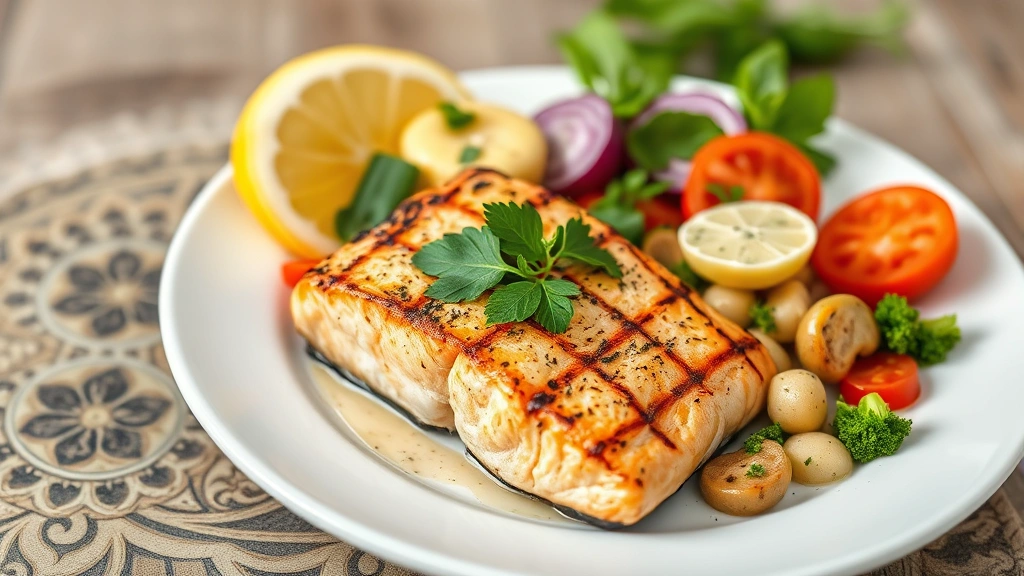
A practical nutrition framework: Fill your plate with 50% non-starchy vegetables, 25% quality protein (grass-fed beef, wild-caught fish, pasture-raised poultry), and 25% healthy fats (avocado, coconut oil, olive oil, fatty fish). This naturally creates satiety and provides micronutrient density without requiring calorie obsession.
Meal Timing and Frequency
Some Hashimoto’s patients thrive on three meals daily with no snacking, which reduces overall calorie intake and stabilizes blood sugar. Others benefit from smaller, more frequent meals to maintain energy. Experiment to find your pattern, but avoid constant grazing, which can perpetuate inflammation and dysregulated appetite hormones.
Many practitioners recommend intermittent fasting with caution for Hashimoto’s patients. While some report benefits, fasting can stress an already-stressed endocrine system. If you try it, start conservatively with a 12-hour overnight fast rather than extended fasting protocols.
Exercise Approach That Works
Exercise is crucial for Hashimoto’s weight loss, but the wrong type can backfire by increasing cortisol and triggering inflammation. Your exercise strategy should balance metabolic benefits with immune system support.
Resistance Training is Essential
This is where your weight loss truly accelerates. Weight training builds muscle tissue, which has a higher metabolic cost than fat tissue. Even at rest, muscle burns calories. For Hashimoto’s patients specifically, resistance training:
- Increases insulin sensitivity and glucose metabolism
- Improves thyroid hormone receptor sensitivity
- Supports bone density (important as autoimmune conditions increase osteoporosis risk)
- Enhances mood and energy through neurochemical changes
Aim for 2-3 resistance training sessions weekly, focusing on compound movements (squats, deadlifts, pressing, rowing) that engage large muscle groups. Progressive overload—gradually increasing weight or volume—is key to continued metabolic adaptation.
Moderate Cardio for Metabolic Health
Cardio exercises improve cardiovascular health and calorie expenditure, but excessive cardio can increase cortisol and trigger autoimmune flares in sensitive individuals. Instead of daily intense cardio, incorporate:
- 3-4 sessions weekly of moderate-intensity steady-state cardio (walking, cycling, swimming) for 20-30 minutes
- One weekly session of high-intensity interval training (HIIT) if tolerated, which provides metabolic benefits in less time
Recovery and Stress Management
This often gets overlooked but is absolutely critical. Chronic stress elevates cortisol, which directly opposes weight loss and worsens autoimmune flares. Hashimoto’s patients must prioritize:
- 7-9 hours quality sleep nightly (sleep deprivation impairs thyroid function)
- Stress reduction through meditation, yoga, or breathing exercises
- Active recovery days with gentle movement like walking or stretching
- Regular relaxation practices
Think of recovery not as laziness but as essential medicine for your autoimmune condition. Overtraining will sabotage your weight loss goals.
Managing Inflammation and Gut Health
Hashimoto’s is fundamentally an inflammatory autoimmune disease, and chronic inflammation directly impairs weight loss. Inflammation increases insulin resistance, dysregulates appetite hormones, and promotes water retention. Addressing inflammation becomes a weight loss strategy in itself.
Gut Health: The Foundation
Approximately 70% of your immune system resides in your gut. Many Hashimoto’s patients have compromised gut barrier function (leaky gut), which allows bacterial lipopolysaccharides to enter circulation and trigger immune activation. Healing your gut is transformative:
- Eliminate gut irritants: Gluten, processed foods, and excessive alcohol all damage intestinal lining.
- Increase prebiotic fiber: Feed beneficial bacteria with foods like asparagus, green bananas, and chicory root.
- Consider probiotics: Specific strains like Lactobacillus and Bifidobacterium may help, though quality varies significantly.
- Support with L-glutamine and bone broth: These provide amino acids that literally repair intestinal tissue.
- Manage food sensitivities: Beyond common allergens, individual sensitivities vary. An elimination diet or testing can identify your specific triggers.
Anti-Inflammatory Foods and Supplements
Certain foods and compounds actively reduce inflammation:
- Omega-3 fatty acids from fatty fish, flax, and chia seeds
- Polyphenol-rich foods: berries, dark chocolate, green tea
- Cruciferous vegetables: broccoli, cauliflower, Brussels sprouts (cooked to reduce goitrogens)
- Bone broth, rich in collagen and amino acids
- Curcumin (from turmeric) and ginger, with research supporting anti-inflammatory effects
Some practitioners recommend targeted supplementation like curcumin, quercetin, or fish oil, though discuss these with your healthcare provider to avoid interactions with medications.
Tracking Progress Beyond the Scale
Why the scale lies for Hashimoto’s patients:
The bathroom scale tells an incomplete story. Inflammation causes water retention. Muscle weighs more than fat. Thyroid medication adjustments can cause temporary water shifts. Tracking progress effectively requires multiple metrics:
- Body composition: Rather than weight, track body fat percentage via DEXA scan, bioelectrical impedance, or even progress photos. You can lose 10 pounds of fat while gaining 5 pounds of muscle—a metabolic victory showing on the scale as only 5 pounds lost.
- Measurements: Waist, hip, chest, and thigh measurements often decrease even when weight plateaus.
- How clothes fit: This simple metric often reveals fat loss that scales miss.
- Energy and symptoms: Improved energy, better sleep, reduced brain fog, and fewer autoimmune flares indicate metabolic healing, which precedes fat loss.
- Performance metrics: Can you lift heavier weights? Walk longer without fatigue? Run faster? These indicate metabolic adaptation.
- Bloodwork: Improved fasting glucose, better lipid panels, and reduced inflammatory markers (CRP, ESR) demonstrate metabolic healing.
Set expectations realistically. With optimized thyroid medication and proper lifestyle changes, Hashimoto’s patients typically lose 1-2 pounds weekly initially, then 0.5-1 pound weekly as they approach their goal. This slower pace is normal and actually more sustainable than rapid weight loss.
Expect plateaus and plan accordingly. Your body will plateau periodically as it adapts. Rather than eating less (which further suppresses metabolism), consider adjusting exercise intensity, addressing stress, or evaluating whether your thyroid medication remains optimal as your weight changes.
FAQ
Can you lose weight with Hashimoto’s disease?
Absolutely, yes. While Hashimoto’s makes weight loss more challenging due to reduced metabolic rate, proper thyroid hormone replacement, appropriate nutrition, and targeted exercise enable successful weight loss. Many patients lose significant weight once their condition is optimized, though it typically occurs more slowly than for people without thyroid disease.
What’s the best diet for Hashimoto’s weight loss?
There’s no single “best” diet, but an anti-inflammatory approach works well for most Hashimoto’s patients. Many benefit from eliminating gluten, dairy, and processed foods. The Autoimmune Protocol provides a structured elimination approach. Fundamentally, focus on whole foods, adequate protein, healthy fats, and micronutrient density rather than calorie restriction alone. Work with a registered dietitian experienced in thyroid disease for personalized guidance.
How long does it take to lose weight with Hashimoto’s?
Timeline varies significantly based on medication optimization, adherence to lifestyle changes, and individual factors. Many patients see initial weight loss within 4-8 weeks of proper thyroid medication dosing. Substantial weight loss (20+ pounds) typically requires 3-6 months of consistent effort. Remember that medication optimization and inflammation reduction may precede visible fat loss by several weeks.
Should I do intermittent fasting with Hashimoto’s?
Proceed cautiously. While some Hashimoto’s patients benefit from intermittent fasting, extended fasting can increase cortisol and stress an already-stressed endocrine system. If you try fasting, start conservatively with a 12-hour overnight fast and monitor symptoms carefully. If you experience increased fatigue, hormone dysregulation, or autoimmune flares, discontinue it. Consult your doctor before beginning any fasting protocol.
Does thyroid medication help with weight loss?
Yes, significantly. Proper thyroid hormone replacement restores metabolic rate, normalizes appetite regulation, and improves energy levels—all essential for weight loss. Many patients lose weight simply through medication optimization without dietary changes. However, optimization requires finding your ideal dose, which often differs from standard dosing protocols. Work with your doctor to achieve TSH levels where you feel your best, not just “normal range” values.
What supplements help Hashimoto’s weight loss?
Key deficiencies to address include selenium, zinc, iron, vitamin D, and B vitamins. Supplementation should be based on testing rather than guesswork. Some patients benefit from additional support like curcumin, omega-3s, or probiotics, but quality varies enormously. Work with a functional medicine practitioner or registered dietitian to identify your specific needs and select high-quality supplements.
Can exercise worsen Hashimoto’s?
Excessive exercise, particularly chronic intense cardio, can increase cortisol and trigger autoimmune flares in sensitive individuals. However, appropriate exercise—combining resistance training with moderate cardio and prioritizing recovery—actually improves Hashimoto’s outcomes. The key is balance: challenge your body without overwhelming your immune system.


