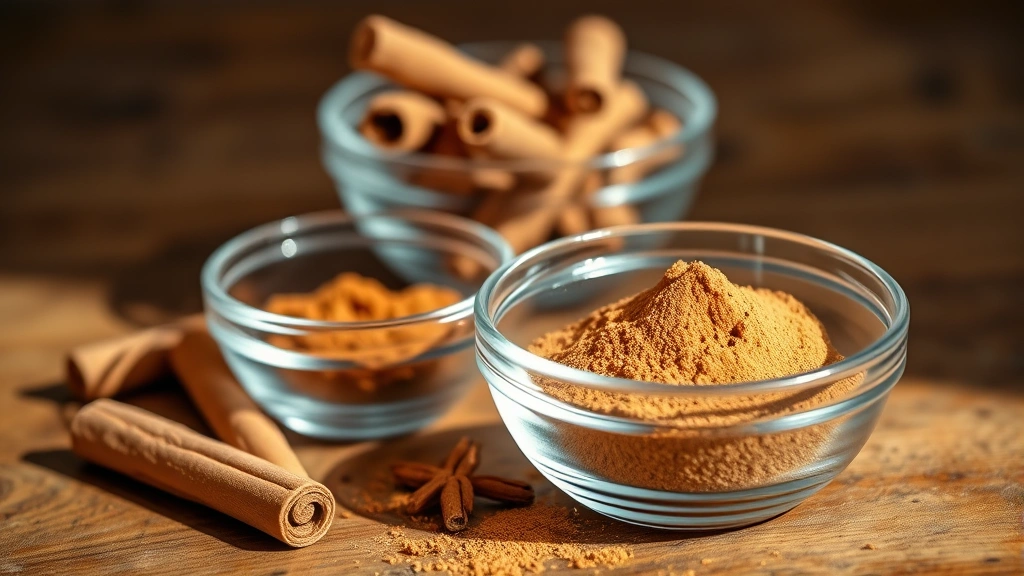
Cinnamon in Coffee: Expert Tips for Weight Loss
Adding cinnamon to your morning coffee might seem like a simple flavor enhancement, but emerging research suggests this humble spice could be a valuable addition to your weight loss nutrition strategy. Cinnamon contains bioactive compounds that may influence blood sugar regulation, appetite control, and metabolic function—all critical factors in sustainable weight management. Whether you’re just beginning your fitness journey or looking to optimize an existing weight loss and strength training program, understanding how to properly incorporate cinnamon into your daily routine can amplify your results.
The question of how much cinnamon in coffee for weight loss isn’t just about sprinkling a pinch into your cup. The dosage, timing, type of cinnamon, and how you prepare it all matter significantly. This comprehensive guide explores the science behind cinnamon’s potential weight loss benefits, provides evidence-based recommendations for daily intake, and shares practical tips from nutrition experts for maximizing this spice’s effectiveness.
How Cinnamon Affects Weight Loss
Cinnamon’s weight loss potential stems from several physiological mechanisms that have been documented in peer-reviewed research. The spice contains polyphenols and other compounds that can influence how your body processes glucose and manages insulin levels. When blood sugar remains stable throughout the day, you’re less likely to experience energy crashes that trigger cravings and overeating—a critical insight for anyone pursuing sustainable weight management.
One of cinnamon’s most studied effects is its impact on insulin sensitivity. Research published in the American Journal of Clinical Nutrition indicates that cinnamon may enhance insulin receptor sensitivity, potentially allowing your cells to utilize glucose more efficiently. This improved glucose metabolism can reduce fat storage and support more stable energy levels. For individuals managing metabolic conditions like PCOS or those following a PCOS diet for weight loss, this effect can be particularly beneficial.
Beyond blood sugar regulation, cinnamon may also influence appetite hormones. Studies suggest that cinnamon can slow gastric emptying—the rate at which food leaves your stomach—which promotes feelings of fullness and satiety. This extended satiety window means you’re more likely to eat less at subsequent meals without feeling deprived. Additionally, cinnamon’s thermogenic properties may slightly increase your metabolic rate, meaning your body burns marginally more calories at rest, though this effect is modest and shouldn’t be overestimated.
The spice also contains compounds with anti-inflammatory properties. Chronic inflammation is increasingly recognized as a barrier to effective weight loss, as it can impair metabolic function and increase insulin resistance. By incorporating anti-inflammatory foods and spices like cinnamon, you’re addressing weight loss from multiple physiological angles simultaneously.
Optimal Cinnamon Dosage for Coffee
The question of how much cinnamon in coffee for weight loss has a science-backed answer: 1/2 teaspoon to 1 teaspoon of ground cinnamon per 8-ounce cup of coffee is the optimal range for most people. This dosage provides sufficient bioactive compounds to potentially influence metabolism and blood sugar regulation without exceeding safe intake limits. Research studies examining cinnamon’s metabolic effects typically use doses ranging from 1 to 6 grams daily, with most showing benefits in the 1-2 gram range.
For perspective, 1/2 teaspoon of ground cinnamon contains approximately 2.6 grams, while 1 teaspoon contains roughly 5.2 grams. Therefore, a single cup of cinnamon-enhanced coffee can deliver a meaningful dose of the spice’s active compounds. If you’re drinking coffee multiple times daily, you might use 1/2 teaspoon per cup to avoid exceeding recommended daily intake limits.
Individual tolerance varies based on factors including body weight, existing health conditions, medications, and overall diet quality. The Academy of Nutrition and Dietetics recommends that most healthy adults can safely consume up to 6 grams of cinnamon daily, though some individuals may experience benefits at lower doses. Starting with 1/2 teaspoon and gradually increasing to 1 teaspoon allows your digestive system to adjust and helps you identify your optimal personal dosage.
Consistency matters more than occasional large doses. Adding cinnamon to your morning coffee every day provides steady exposure to its bioactive compounds, allowing them to accumulate in your system and produce measurable metabolic effects. Sporadic use won’t generate the same results as a regular daily practice integrated into your healthy meal plan for weight loss.
Best Types of Cinnamon to Use
Not all cinnamon is created equal, and the type you choose significantly impacts both safety and effectiveness. Two primary varieties are commercially available: Ceylon cinnamon and Cassia cinnamon, and they differ substantially in composition and health implications.
Ceylon Cinnamon (also called “true cinnamon”) originates from Sri Lanka and contains significantly lower levels of coumarin, a compound that can be toxic in large quantities. Ceylon cinnamon has a more delicate, slightly sweeter flavor profile and is considered the superior choice for daily consumption, especially for weight loss programs you’ll maintain long-term. While Ceylon cinnamon is more expensive than alternatives, the investment in your health is worthwhile. When purchasing Ceylon cinnamon, look for products labeled specifically as “Ceylon” to ensure authenticity.
Cassia Cinnamon comes from Indonesia and China and is the most common variety found in grocery stores. It’s more affordable and has a stronger, slightly spicier flavor. However, Cassia cinnamon contains significantly higher coumarin levels—up to 1,200 times more than Ceylon varieties. Consuming excessive coumarin over extended periods may stress liver function, making Cassia cinnamon less ideal for daily weight loss supplementation, particularly if you’re already consuming other potentially coumarin-containing substances.
For weight loss coffee preparation, freshly ground cinnamon is superior to pre-ground varieties. The volatile oils responsible for many of cinnamon’s beneficial effects degrade quickly once the spice is ground and exposed to air and light. Purchasing whole cinnamon sticks and grinding them yourself using a spice grinder or dedicated coffee grinder ensures maximum potency. If you must use pre-ground cinnamon, store it in an airtight container away from light and heat, and replace it every 3-4 months.
Preparation Methods and Timing
How you prepare cinnamon coffee matters as much as the quantity you use. Different preparation methods extract varying amounts of cinnamon’s beneficial compounds and affect how your body absorbs them.
Direct Mixing Method: Simply stirring ground cinnamon directly into your hot coffee is the quickest approach. However, cinnamon doesn’t fully dissolve in coffee, and you’ll likely notice sediment at the bottom of your cup. This method works but isn’t the most efficient for extracting all bioactive compounds. To improve this method, use hot (but not boiling) coffee, stir vigorously for 30-60 seconds, and consume the entire cup including any settled cinnamon.
Paste Method: Create a small paste by mixing cinnamon with a tiny amount of hot water or milk before adding it to your coffee. This technique helps distribute the cinnamon more evenly throughout your beverage and improves the mouthfeel. The paste method also prevents the “gritty” texture some people find unpleasant when cinnamon is simply sprinkled into coffee.
Blended Method: For the most complete extraction and most pleasant texture, blend your cinnamon coffee. Add cooled brewed coffee, cinnamon, and your choice of milk or milk alternative to a blender, then blend briefly. This creates a smoother, more uniform beverage where cinnamon is fully integrated. The blending process also slightly increases the surface area of cinnamon particles, potentially enhancing bioavailability.
Optimal Timing: Consume your cinnamon coffee with or shortly after a balanced breakfast containing protein and healthy fats. This timing maximizes cinnamon’s blood sugar-regulating effects by ensuring it’s present in your digestive system when you consume carbohydrates. The protein and fat slow digestion, giving cinnamon’s compounds more time to interact with your glucose metabolism. Avoid consuming cinnamon coffee on an empty stomach, as this may cause digestive discomfort for some individuals.
For those following structured fitness routines like cycling for weight loss, timing your cinnamon coffee 30-45 minutes before your workout may provide additional energy stability during exercise, supported by improved glucose utilization.

Combining Cinnamon Coffee with Other Strategies
Cinnamon in coffee is a valuable tool, but it’s not a standalone solution for weight loss. The most effective approach combines cinnamon supplementation with comprehensive lifestyle strategies that address the multiple factors influencing body weight.
Nutrition Integration: Cinnamon works synergistically with protein-rich foods to enhance satiety. When you drink your cinnamon coffee with a breakfast containing Greek yogurt, eggs, or cottage cheese, you’re combining multiple satiety-promoting mechanisms. Similarly, pairing cinnamon coffee with a personalized healthy meal plan for weight loss ensures that your overall eating pattern supports your metabolic goals.
Exercise and Physical Activity: Cinnamon’s metabolic benefits are amplified when combined with regular exercise. Whether you’re engaged in weight loss and weight lifting training or cardiovascular activities, cinnamon’s blood sugar regulation helps provide stable energy for sustained physical performance. Exercise also enhances insulin sensitivity independent of cinnamon, creating a multiplicative effect when both strategies are employed simultaneously.
Sleep and Stress Management: Cinnamon’s effects on blood sugar stability indirectly support better sleep quality by preventing nighttime blood sugar fluctuations that disrupt rest. Quality sleep is fundamental to weight loss success, as poor sleep impairs hunger hormone regulation and increases cravings. Consider your cinnamon coffee part of a holistic approach that includes consistent sleep schedules and stress reduction techniques.
Hydration: While cinnamon coffee provides some hydration, adequate plain water intake remains essential for optimal metabolic function. Aim for at least 8-10 glasses of water daily, separate from your cinnamon coffee consumption. Proper hydration supports kidney function, which is necessary for effective fat metabolism and weight loss.
Cardiovascular Health: Beyond weight loss, the combination of cinnamon, regular exercise, and healthy eating supports overall cardiovascular function. Understanding how to improve cardiovascular health reveals that many weight loss strategies simultaneously enhance heart health—cinnamon included, as it may help lower blood pressure and improve cholesterol profiles.
Potential Side Effects and Safety Considerations
While cinnamon is generally recognized as safe for most people, certain considerations should guide your use, particularly if you’re consuming it daily for weight loss purposes.
Coumarin Content: As discussed earlier, Cassia cinnamon’s high coumarin content is the primary safety concern. If you’re using Ceylon cinnamon and staying within the 1-2 teaspoon daily range, coumarin toxicity is virtually impossible. However, if you’re using Cassia cinnamon or consuming massive quantities of Ceylon, you could theoretically exceed safe coumarin intake. The European Food Safety Authority suggests a maximum daily coumarin intake of 0.1 mg per kilogram of body weight. For a 150-pound person, this translates to roughly 6.8 mg daily—an amount you’d exceed only with very large cinnamon quantities or Cassia cinnamon overuse.
Medication Interactions: Cinnamon may interact with blood sugar-lowering medications, potentially causing hypoglycemia if you’re taking diabetes medications. If you’re on insulin, sulfonylureas, or other glucose-regulating pharmaceuticals, consult your healthcare provider before adding cinnamon to your daily routine. The same caution applies if you’re taking blood thinners like warfarin, as cinnamon has mild anticoagulant properties.
Digestive Sensitivity: Some individuals experience mild digestive upset, heartburn, or mouth irritation from cinnamon, particularly when consumed in large quantities or on an empty stomach. If you notice any discomfort, reduce your dosage or take your cinnamon coffee with food. Cinnamon allergies are rare but possible—discontinue use if you experience allergic symptoms like itching, swelling, or difficulty breathing.
Pregnancy and Nursing: While small amounts of cinnamon in food are safe during pregnancy, concentrated supplementation isn’t recommended without medical guidance. If you’re pregnant or nursing, discuss cinnamon supplementation with your healthcare provider before beginning.
Quality and Purity: Purchase cinnamon from reputable sources that test for contaminants. Some inexpensive cinnamon products may contain fillers, pesticide residues, or other impurities. The FDA doesn’t regulate spices as strictly as pharmaceuticals, making sourcing from trusted suppliers essential.
If you have any chronic health conditions, take multiple medications, or have concerns about adding cinnamon to your diet, consult with a registered dietitian or your primary care physician before beginning daily cinnamon supplementation.

FAQ
How long does it take to see weight loss results from cinnamon in coffee?
Most people don’t experience dramatic weight loss from cinnamon alone, but rather gradual improvements in appetite control and energy stability within 2-4 weeks of consistent daily use. Significant weight loss requires combining cinnamon with comprehensive nutrition and exercise strategies. Research databases show that cinnamon’s effects are most noticeable when combined with other evidence-based weight loss approaches rather than used in isolation.
Can I drink cinnamon coffee multiple times per day?
Yes, you can safely consume cinnamon coffee 2-3 times daily if you use 1/2 teaspoon per cup and choose Ceylon cinnamon. However, consuming more than 2 teaspoons of Ceylon cinnamon daily (or any amount of Cassia cinnamon beyond 1 teaspoon) exceeds safe intake recommendations. Most people find one cinnamon coffee in the morning sufficient to enjoy benefits without overextending their intake.
Does cinnamon coffee work better than cinnamon supplements?
Coffee itself offers independent health benefits, including antioxidants and modest metabolic stimulation from caffeine. Consuming cinnamon in coffee combines these benefits, potentially offering better results than cinnamon supplements alone. However, the bioactive compounds are the same regardless of delivery method. For some people, supplements may be preferable if they don’t tolerate coffee well. Discuss supplement options with your healthcare provider.
What’s the difference between cinnamon sticks and ground cinnamon for weight loss?
Ground cinnamon dissolves better in coffee and provides more immediate bioavailability of active compounds. Cinnamon sticks require steeping in hot liquid for extended periods to extract beneficial compounds. For convenience and effectiveness in coffee, ground cinnamon is superior, though freshly ground from sticks is ideal.
Can I add sweeteners to my cinnamon coffee?
Yes, but choose carefully. Natural sweeteners like stevia or monk fruit don’t trigger blood sugar spikes and don’t counteract cinnamon’s metabolic benefits. Avoid refined sugar and high-fructose corn syrup, which negate cinnamon’s glucose-regulating effects. If you prefer creamy coffee, use unsweetened milk alternatives or small amounts of heavy cream, which contain minimal carbohydrates and won’t interfere with cinnamon’s effectiveness.
Is cinnamon coffee effective for metabolic syndrome or PCOS?
Research suggests cinnamon may be particularly beneficial for individuals with insulin resistance conditions like PCOS and metabolic syndrome. The spice’s insulin-sensitizing effects address a core pathology in these conditions. If you have PCOS, incorporating cinnamon into a comprehensive PCOS diet for weight loss may enhance results. However, always coordinate supplementation changes with your healthcare provider.


