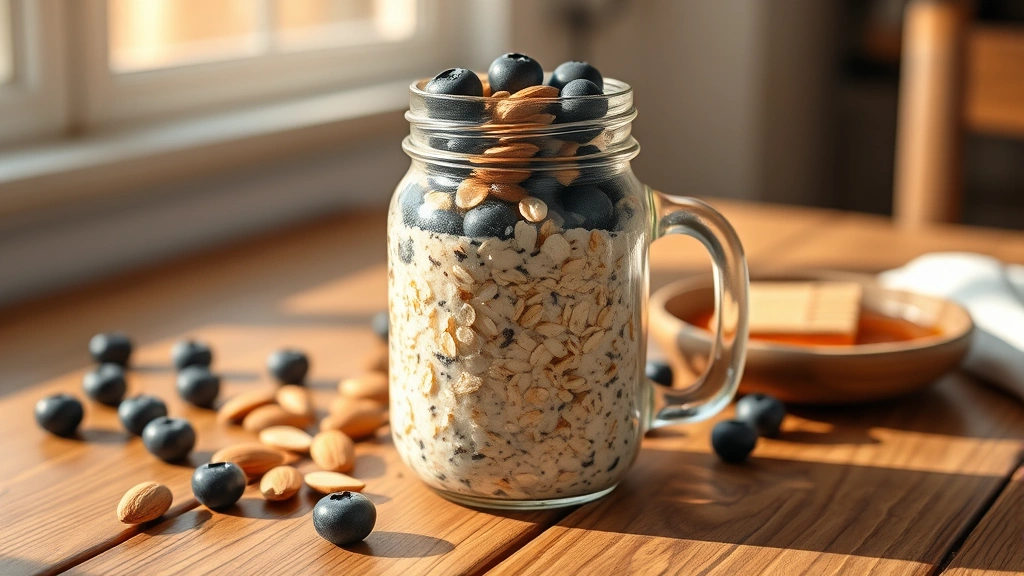
Overnight Oats for Weight Loss? Nutritionist Tips
Overnight oats have become a breakfast staple for health-conscious individuals, but can this convenient meal actually support your weight loss goals? The answer is nuanced. While overnight oats can be an excellent addition to a weight loss meal plan, they’re not a magic solution on their own. The key lies in understanding how to prepare them strategically, what ingredients to include, and how they fit into your overall nutrition strategy.
Many people struggle with breakfast choices that feel restrictive or leave them hungry by mid-morning. Overnight oats offer convenience, satiety, and customization—three critical factors for sustainable weight loss. However, it’s easy to turn this wholesome breakfast into a calorie-dense dessert disguised as health food. This guide will walk you through everything you need to know about using overnight oats effectively for weight loss, with practical tips from nutrition science and real-world application.
What Are Overnight Oats and How Do They Work?
Overnight oats are a no-cook breakfast option where rolled oats are soaked overnight in liquid—typically milk, yogurt, or a milk alternative—along with various toppings and flavorings. Unlike traditional cooked oatmeal, the oats absorb the liquid while sitting in the refrigerator, creating a pudding-like consistency that requires no morning preparation.
The beauty of overnight oats lies in their convenience and the fact that they’re naturally high in beta-glucan, a soluble fiber found in oats that has been extensively studied for its effects on appetite and blood sugar regulation. When oats are soaked, the fiber becomes more bioavailable, meaning your body can better utilize these satiating compounds. This is particularly important for weight loss because satiety—feeling full—directly impacts how many calories you consume throughout the day.
From a practical standpoint, overnight oats eliminate decision fatigue in the morning. When you’ve already prepared your breakfast the night before, you’re less likely to grab high-calorie convenience foods or skip breakfast entirely (which often leads to overeating later). This behavioral component is often overlooked but is crucial for long-term weight loss success.
The Nutritional Science Behind Overnight Oats
Research on oats and weight management has shown promising results. A study published in the Journal of the American College of Nutrition demonstrated that oat consumption was associated with greater satiety compared to other breakfast cereals, leading to reduced calorie intake at subsequent meals. The mechanism involves both the soluble fiber content and the protein-to-carbohydrate ratio.
When examining overnight oats specifically, several nutritional factors come into play:
- Fiber content: One cup of rolled oats contains approximately 8 grams of fiber, which slows gastric emptying and promotes feelings of fullness
- Resistant starch: Cold soaking may increase resistant starch formation, a type of carbohydrate that behaves similarly to fiber and may support metabolic health
- Protein combinations: Adding Greek yogurt or protein powder can increase the protein content, further enhancing satiety
- Glycemic response: Oats have a moderate glycemic index, especially when paired with fat and protein, helping stabilize blood sugar levels
This is particularly relevant if you’re dealing with weight loss and insulin resistance. Stable blood sugar means more consistent energy levels and fewer cravings for sugary foods, making it easier to maintain a calorie deficit.
The Harvard T.H. Chan School of Public Health emphasizes that whole grain consumption, including oats, is associated with better weight management and reduced risk of chronic diseases. However, the key word is whole grain—meaning you must use rolled oats or steel-cut oats, not instant oat packets laden with added sugars.
Weight Loss-Friendly Overnight Oats Recipes
The foundation of any weight loss-friendly overnight oats recipe is restraint with high-calorie additions. Here’s a template that keeps calories in check while maintaining delicious flavor:
Basic Formula (approximately 300-350 calories):
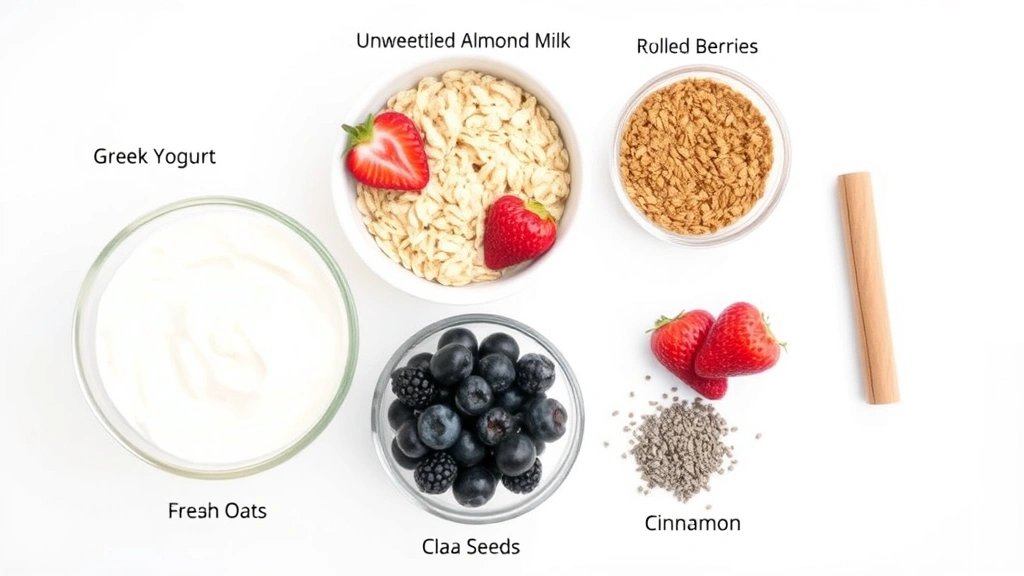
- ½ cup rolled oats (150 calories)
- ¾ cup unsweetened milk or milk alternative (30-40 calories)
- ¼ cup plain Greek yogurt (30-40 calories)
- ½ banana, sliced (45 calories)
- 1 tablespoon natural almond butter (95 calories)
- Pinch of cinnamon and vanilla extract (0 calories)
This combination provides approximately 20 grams of protein, 8+ grams of fiber, and keeps you satisfied until lunch. The key is measuring your almond butter and other calorie-dense ingredients rather than eyeballing them.
Protein-Boosted Version (for muscle preservation): If you’re concerned about losing fat without losing muscle, add ½ scoop of vanilla protein powder (60 calories, 12g protein) to increase total protein to 32 grams. This becomes especially important if you’re combining overnight oats with weight loss workout routines.
Berry-Focused Version: Replace the banana with ½ cup fresh berries (40 calories) and add 1 tablespoon ground flaxseed (55 calories). Berries are lower in calories than bananas while providing antioxidants and fiber, making them excellent for weight loss.
Chia Seed Version: Substitute 1 tablespoon chia seeds (60 calories) for the almond butter. Chia seeds absorb liquid and expand in your stomach, creating additional volume and satiety without excess calories.
Common Mistakes That Sabotage Your Weight Loss
Many people unknowingly turn overnight oats into a high-calorie breakfast that works against their weight loss goals. Understanding these pitfalls is essential:
Mistake #1: Excessive Nut Butters and Nuts Nut butters are calorie-dense (95 calories per tablespoon) and easy to over-consume. A generous drizzle can add 200+ calories without providing much additional satiety compared to a measured tablespoon. Use measuring spoons, not free pours.
Mistake #2: Sweetened Milk Alternatives Many commercial almond milks, oat milks, and coconut milks contain added sugars and calories. A cup of sweetened oat milk can contain 150+ calories and 10+ grams of sugar, whereas unsweetened versions have 30-40 calories. Always check the label for “unsweetened” versions.
Mistake #3: Granola and Honey Toppings Granola is often 150+ calories per ¼ cup serving, and honey adds 60 calories per tablespoon with minimal nutritional benefit. If you want crunch, use sliced almonds (measured) or add texture with chia seeds instead.
Mistake #4: Chocolate and Candy Mix-Ins Adding chocolate chips, candy, or chocolate protein powder transforms overnight oats into a dessert. If you want chocolate flavor, use unsweetened cocoa powder (12 calories per tablespoon) mixed into the liquid base.
Mistake #5: Ignoring Portion Sizes The standard overnight oats recipe uses ½ cup dry oats, which provides 150 calories. Using a full cup of oats creates a 300-calorie base before any additions—reasonable for some, but problematic if you’re in a significant calorie deficit.
How Overnight Oats Fit Into Your Overall Strategy
Overnight oats are one tool in a comprehensive weight loss strategy, not a standalone solution. They work best when integrated thoughtfully into your broader nutrition plan. Consider these strategic applications:
As a Breakfast Foundation: A 300-350 calorie overnight oats breakfast leaves room for healthy snacks and balanced meals throughout the day if you’re following a 1500-1800 calorie daily intake. This prevents the “all or nothing” mentality that derails many weight loss efforts.
Supporting Metabolic Health: The fiber and whole grain content in overnight oats supports digestive health, which indirectly supports weight loss by promoting regular bowel movements and a healthy microbiome. A healthy gut microbiome has been linked to improved metabolism and weight regulation.
Complementing Exercise Routines: If you’re engaging in weight loss workout routines at home, overnight oats provide sustained energy from complex carbohydrates and protein to support both performance and recovery. The carbohydrates replenish glycogen stores without causing blood sugar spikes.
Managing Blood Pressure Benefits: For those concerned with weight loss and blood pressure, oats contain compounds that support cardiovascular health. Combined with weight loss itself, overnight oats can be part of a heart-healthy breakfast pattern.
The Academy of Nutrition and Dietetics emphasizes that successful weight loss requires sustainable dietary patterns rather than restrictive diets. Overnight oats fit this framework because they’re satisfying, customizable, and enjoyable enough to maintain long-term.
Portion Control and Calorie Tracking
Even with the best intentions, portion control remains critical. Here’s how to implement it effectively:
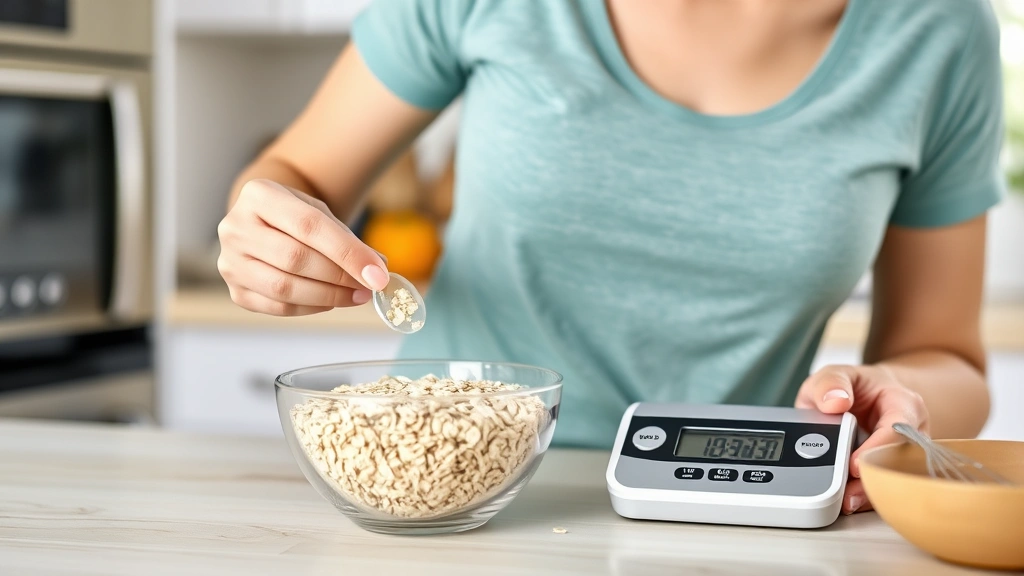
Use a Food Scale: While measuring cups work, a digital food scale provides the most accuracy. Oats can be packed differently into a measuring cup, creating 10-15% variation in actual weight and calories. A scale removes this guesswork.
Pre-Portion Your Oats: Prepare overnight oats in individual mason jars with pre-measured ingredients. This prevents the temptation to add “just a little more” of high-calorie items and makes grab-and-go breakfasts effortless.
Track Liquid Ratio: The liquid-to-oats ratio affects both satiety and calorie density. A 1:1.5 ratio (½ cup oats to ¾ cup liquid) creates a thicker consistency that feels more filling than a 1:2 ratio. Experiment to find what keeps you satisfied longest.
Calculate Total Daily Calories: Overnight oats should fit into your overall calorie target. If your goal is a 500-calorie daily deficit for 1 pound weekly weight loss, ensure your 350-calorie breakfast leaves appropriate room for lunch, dinner, and snacks.
Consider using a nutrition app to log your overnight oats recipe once, then simply log it daily. This removes calculation burden and ensures consistency. Many apps allow you to save custom recipes, making tracking seamless.
Monitor Hunger Patterns: Track how long your overnight oats keep you satisfied. If you’re hungry by 10:30 AM, you may need to increase protein (add more Greek yogurt or protein powder) or adjust the liquid ratio for a thicker consistency. Individual satiety responses vary based on metabolism, activity level, and other factors.
When combining overnight oats with other healthy breakfast options like smoothie recipes for weight loss, you create variety that prevents boredom while maintaining nutritional consistency.
FAQ
Can I eat overnight oats every day for weight loss?
Yes, overnight oats can be eaten daily if prepared with weight loss in mind. However, variety in breakfast options prevents nutrient gaps and dietary boredom. Consider rotating overnight oats with other whole grain breakfasts 4-5 days per week, varying your add-ins and toppings to ensure diverse nutrient intake. This approach maintains the benefits while preventing monotony.
How many calories should overnight oats contain for weight loss?
For most people pursuing weight loss, a 300-350 calorie overnight oats breakfast is appropriate. However, this depends on your total daily calorie target. If you’re consuming 1200 calories daily, a 250-calorie breakfast may be more suitable. If you’re very active or tall, 400 calories may be appropriate. Work with your target calorie deficit and adjust accordingly.
Should I eat overnight oats cold or warm them up?
Overnight oats can be eaten directly from the refrigerator or warmed in the microwave. Warming them increases digestibility and may feel more satisfying in colder months. Microwave for 30-60 seconds, stirring halfway through. Warming doesn’t significantly change the calorie or nutrient content, so choose based on your preference.
What’s the best milk to use for overnight oats?
Unsweetened milk alternatives are ideal for weight loss. Unsweetened almond milk (30 calories per cup), unsweetened cashew milk (25 calories per cup), and unsweetened soy milk (80 calories per cup with more protein) are all excellent choices. Avoid sweetened versions, which add unnecessary sugar and calories. If using dairy, unsweetened milk or plain Greek yogurt work well.
Can overnight oats help with insulin resistance?
Yes. The soluble fiber in oats and the protein added through Greek yogurt or protein powder help moderate blood sugar response. For those managing weight loss and insulin resistance, overnight oats prepared with adequate protein and limited added sugars can be beneficial. Always pair oats with protein and healthy fat to minimize glycemic impact.
Are overnight oats better than other breakfast options for weight loss?
Overnight oats aren’t inherently superior to other whole grain breakfasts, but they offer distinct advantages: convenience, high satiety, and customization. A veggie-filled omelet or Greek yogurt parfait with berries can be equally effective. The best breakfast is one you’ll consistently eat and that keeps you satisfied. Overnight oats excel because they meet these criteria for many people.


