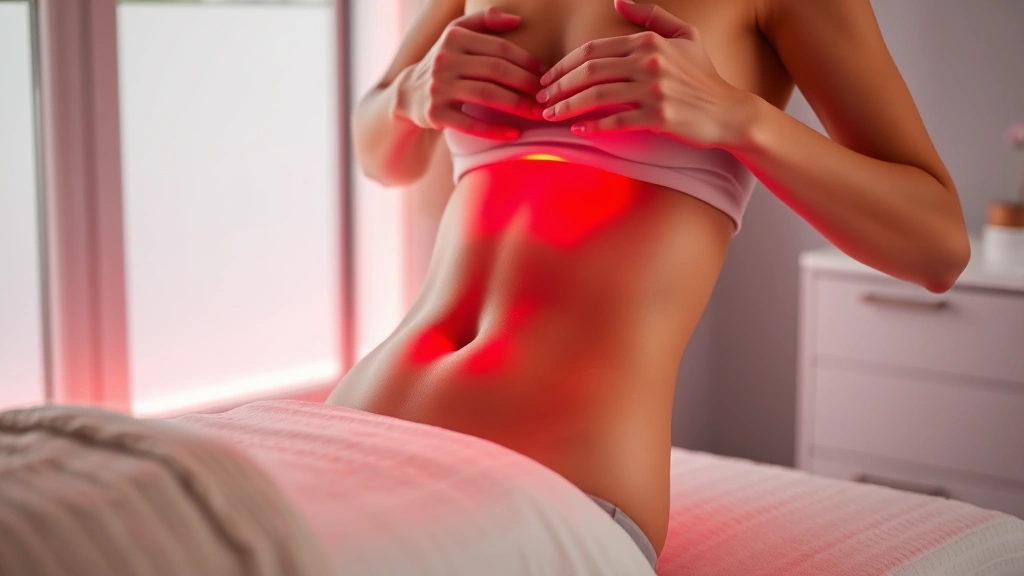
Red Light Therapy for Weight Loss: Expert Insights
Red light therapy has emerged as a fascinating non-invasive treatment gaining attention in the weight loss community. This therapeutic approach uses specific wavelengths of red and near-infrared light to penetrate the skin and stimulate cellular processes that may support your weight management goals. While it’s not a magic solution, emerging research suggests red light therapy could complement your existing compound exercises for weight loss and nutritional strategies when used consistently and appropriately.
Understanding how red light therapy works at the cellular level helps explain why health professionals are increasingly interested in its potential applications. The technology targets mitochondria in your cells, potentially enhancing energy production and metabolic function. For anyone exploring comprehensive weight loss solutions, red light therapy represents an evidence-informed option worth understanding thoroughly.
How Red Light Therapy Works for Weight Loss
Red light therapy, also known as photobiomodulation, operates through a fascinating mechanism involving light wavelengths between 600 and 1000 nanometers. When these wavelengths penetrate your skin, they reach the mitochondria—the powerhouses of your cells—where they interact with an enzyme called cytochrome c oxidase. This interaction stimulates the production of adenosine triphosphate (ATP), which is essentially cellular energy currency.
The connection to weight loss becomes apparent when you understand that increased cellular energy can enhance metabolic efficiency. Your body requires energy to burn fat, regulate blood sugar, and maintain muscle tissue. By potentially improving mitochondrial function, red light therapy may support these metabolic processes. Research published in clinical photomedicine journals indicates that regular red light exposure can influence fat cell behavior and reduce inflammation associated with obesity.
Additionally, red light therapy may support weight loss through improved circulation. Better blood flow means enhanced nutrient delivery to tissues and more efficient removal of metabolic waste products. This improved circulation can also support the effectiveness of your weight loss and interval training sessions by optimizing oxygen delivery to working muscles.
The Science Behind Cellular Benefits
The scientific foundation for red light therapy’s weight loss potential rests on multiple mechanisms operating simultaneously within your body. The American College of Sports Medicine recognizes photobiomodulation as a legitimate research area, with numerous peer-reviewed studies examining its effects on metabolism and body composition.
One key mechanism involves the stimulation of mitochondrial function, which directly impacts your resting metabolic rate. Your resting metabolic rate determines how many calories you burn at rest—a crucial factor in weight management. When mitochondrial efficiency improves, your body can convert nutrients into usable energy more effectively, potentially reducing fat storage.
Red light therapy also appears to influence hormones related to appetite and fat metabolism. Research suggests exposure to specific light wavelengths may help regulate leptin and ghrelin—hormones that signal fullness and hunger respectively. This hormonal balance can make it easier to maintain a calorie deficit, which remains fundamental to weight loss regardless of other interventions you employ.
Furthermore, the anti-inflammatory effects of red light therapy deserve attention. Chronic inflammation is often associated with obesity and metabolic dysfunction. By reducing inflammatory markers, red light therapy may create a more favorable metabolic environment for weight loss. This benefit complements dietary approaches like consuming best drinks for weight loss that also target inflammation.

Red Light Therapy Before and After Results
When examining red light therapy weight loss before and after outcomes, it’s important to maintain realistic expectations while acknowledging genuine results documented in clinical settings. Most studies examining red light therapy for weight loss span 4 to 12 weeks, with participants typically using devices for 15-30 minutes daily or several times weekly.
Clinical research demonstrates that participants using red light therapy consistently experience measurable improvements in body composition. A notable study published in the FASEB Journal found that red light exposure combined with exercise produced significantly better fat loss results compared to exercise alone. Participants in the treatment group showed an average reduction in waist circumference and improved muscle definition.
The before and after transformations typically show gradual changes rather than dramatic overnight shifts. You might notice increased energy levels within the first two weeks, improved skin appearance and reduced soreness after workouts within 3-4 weeks, and measurable fat loss and improved body composition within 6-8 weeks of consistent use. These timelines align with natural metabolic adaptation and fat loss processes.
Important factors influencing results include consistency of use, treatment duration, device quality, and integration with other healthy lifestyle practices. Those who combine red light therapy with high protein recipes for weight loss and regular exercise consistently report superior outcomes compared to those using red light therapy alone.
Patient testimonials from clinical settings often highlight unexpected benefits beyond weight loss, including improved sleep quality, enhanced workout recovery, and better mood. These secondary benefits create a positive feedback loop, making it easier to maintain the discipline required for sustained weight loss.
Combining Red Light Therapy with Exercise and Nutrition
Red light therapy functions most effectively as part of a comprehensive weight loss strategy rather than as a standalone treatment. The synergistic approach of combining multiple evidence-based methods produces superior results compared to any single intervention.
When integrated with compound exercises for weight loss, red light therapy enhances several aspects of your training. The improved mitochondrial function supports better performance during high-intensity workouts. Enhanced circulation delivers more oxygen to working muscles, potentially increasing endurance and strength output. Reduced muscle soreness and inflammation may allow for more frequent training without overuse injury risk.
The optimal approach involves using red light therapy immediately before or after workouts. Pre-workout application may enhance performance and blood flow to muscles about to work. Post-workout use accelerates recovery by reducing inflammation and supporting the metabolic processes that repair and build muscle tissue. This combination maximizes the metabolic benefits of exercise while supporting body composition changes.
Nutritional integration is equally important. Red light therapy supports nutrient absorption and metabolic efficiency, making your dietary choices more impactful. Whether you’re implementing best drinks for weight loss or following structured meal plans, red light therapy amplifies the metabolic support these strategies provide. The improved mitochondrial function means your body processes nutrients more efficiently and converts them to energy rather than storing them as fat.
For those following protein-focused approaches, high protein recipes for weight loss pair exceptionally well with red light therapy. The enhanced cellular energy production supports protein synthesis—the process your body uses to build and repair muscle tissue. This synergy helps preserve lean muscle mass during weight loss, which is crucial for maintaining metabolic rate.
Professional resources like LifeMD weight loss programs often incorporate red light therapy as a complementary tool within broader weight management frameworks. This integrated approach acknowledges that sustainable weight loss requires multiple supporting strategies.

Safety and Considerations
Red light therapy is generally considered safe for most people when used appropriately, with minimal adverse effects reported in clinical literature. However, several important considerations should guide your use of this technology.
First, device quality matters significantly. Professional-grade devices delivering appropriate wavelengths and power densities produce results, while low-quality consumer devices may offer minimal benefit. Look for devices that specify their wavelength range (ideally 600-1000 nanometers) and power output. Research from the FDA and clinical photomedicine organizations can help identify legitimate devices.
Certain medical conditions require caution or professional consultation before using red light therapy. Individuals with photosensitivity, those taking photosensitizing medications, or people with certain eye conditions should consult healthcare providers before treatment. Pregnant women should seek medical guidance, though current evidence suggests red light therapy is likely safe during pregnancy.
Eye safety is an important consideration. While red light itself isn’t harmful to eyes, intense exposure should be avoided. Most reputable devices include protective eyewear or design specifications to prevent direct eye exposure. Never stare directly into red light sources, and follow manufacturer guidelines regarding safe usage distances and duration.
Medication interactions are minimal, as red light therapy operates through physical mechanisms rather than chemical pathways. However, if you’re taking medications for specific conditions, mention red light therapy use to your healthcare provider for completeness.
Consistency is more important than intensity. Daily shorter sessions typically produce better results than occasional lengthy treatments. Most effective protocols involve 15-30 minute sessions daily or 4-5 times weekly for optimal results.
Expert Recommendations for Best Results
Healthcare professionals and researchers specializing in metabolic health offer specific recommendations for maximizing red light therapy’s weight loss benefits. These expert insights come from registered dietitian organizations and obesity medicine specialists who incorporate photobiomodulation into comprehensive treatment plans.
Experts recommend establishing a consistent schedule rather than sporadic use. Your cells respond to regular stimulus, so daily or near-daily treatment produces superior results to occasional sessions. Consistency allows your body to adapt and optimize the cellular processes red light therapy stimulates.
Timing matters for optimizing results. Many experts suggest using red light therapy in the morning to energize your day and support metabolic function throughout waking hours. Alternatively, post-workout application accelerates recovery and supports the metabolic adaptations triggered by exercise. Some people benefit from split sessions—brief morning exposure and post-workout treatment.
Professional guidance is valuable, particularly if you have underlying health conditions or take medications. Many family medicine and obesity specialists now offer red light therapy as part of integrated weight management programs. These professionals can customize treatment protocols to your specific needs and health status.
Integration with motivation and mindset is crucial. While red light therapy supports physical changes, motivational quotes for weight loss and psychological strategies help maintain the discipline required for sustained results. Red light therapy works best when combined with genuine commitment to healthy lifestyle changes.
Tracking progress helps maintain motivation and allows you to assess whether your specific protocol is working. Monitor metrics beyond scale weight—including body measurements, how clothing fits, energy levels, workout performance, and sleep quality. These indicators often show improvement before significant weight loss occurs.
For those interested in structured programs, researching options like LifeMD weight loss can provide professional oversight and accountability. These programs often integrate red light therapy with other evidence-based approaches for comprehensive support.
FAQ
How long does it take to see weight loss results from red light therapy?
Most people notice improvements in energy levels and workout recovery within 2-4 weeks. Measurable changes in body composition typically appear within 6-8 weeks of consistent daily use. Results depend heavily on consistency, device quality, and integration with exercise and proper nutrition. Red light therapy amplifies results from other healthy habits rather than producing results independently.
Can red light therapy alone produce weight loss without exercise?
While red light therapy supports metabolic function, it’s most effective when combined with weight loss and interval training or other regular physical activity. Exercise creates the metabolic demand that red light therapy helps optimize. For sustainable weight loss, combining red light therapy with exercise and proper nutrition produces significantly better results than any single approach.
What wavelengths are most effective for weight loss?
Research suggests wavelengths between 600-1000 nanometers are most effective, with particular benefits observed in the 650-850 nanometer range. Red light (600-700 nm) penetrates to moderate tissue depths, while near-infrared (700-1000 nm) penetrates deeper. Many effective devices combine multiple wavelengths to address tissues at different depths.
How often should I use red light therapy for weight loss?
Daily or near-daily use (4-7 times weekly) produces optimal results. Typical protocols involve 15-30 minute sessions. Some people use shorter sessions twice daily for better results. Consistency matters more than duration—regular shorter sessions outperform occasional lengthy treatments.
Is red light therapy safe to use with medications?
Red light therapy is generally safe with most medications since it operates through physical mechanisms rather than chemical pathways. However, inform your healthcare provider about red light therapy use, particularly if you take photosensitizing medications or have light-sensitive conditions. Professional guidance ensures safety based on your specific health situation.
Can red light therapy replace diet and exercise?
No. Red light therapy works best as a complementary tool that enhances results from proper nutrition and exercise. Think of it as optimizing your body’s ability to respond to the healthy habits you’ve established. For sustainable weight loss, you still need adequate nutrition, regular physical activity, and healthy lifestyle practices. Red light therapy amplifies these foundational approaches.


