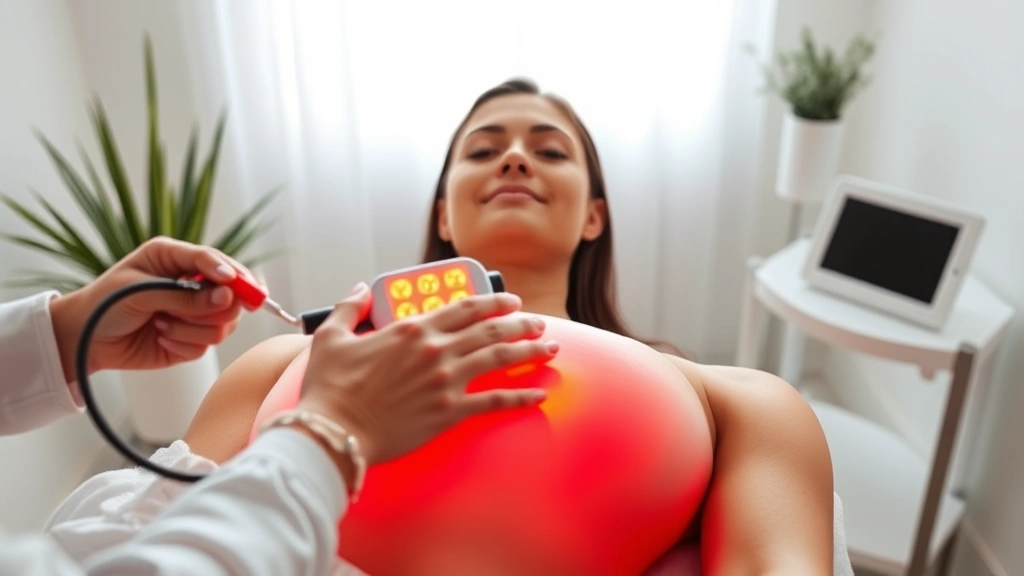
Red Light Therapy: Weight Loss Results & Expert Insights
Red light therapy, also known as low-level laser therapy (LLLT) or photobiomodulation, has emerged as a fascinating non-invasive approach to supporting weight loss and metabolic health. This therapeutic technique uses wavelengths of light in the red and near-infrared spectrum (typically 600-1000 nanometers) to penetrate the skin and stimulate cellular mitochondria. While it may sound like science fiction, the science behind red light therapy is grounded in decades of peer-reviewed research demonstrating its effects on cellular energy production, inflammation reduction, and metabolic optimization.
The weight loss industry is constantly evolving, with individuals seeking complementary strategies beyond traditional diet and exercise. Red light therapy represents one of the most promising emerging technologies, with clinical studies showing measurable improvements in body composition, fat reduction, and metabolic markers. Whether you’re exploring best weight loss shakes or investigating advanced wellness technologies, understanding how red light therapy works can help you make informed decisions about your health journey.
This comprehensive guide explores the science, evidence, real-world results, and expert insights on red light therapy for weight loss, helping you understand whether this technology deserves a place in your wellness routine.
How Red Light Therapy Works at the Cellular Level
To understand how red light therapy supports weight loss, we need to examine what happens when red and near-infrared light penetrates human tissue. The mechanism centers on mitochondrial function—specifically, the interaction between light photons and cytochrome c oxidase, an enzyme complex in the mitochondrial electron transport chain.
When red light wavelengths (typically 630-700 nanometers) and near-infrared light (700-1000 nanometers) reach the mitochondria, they stimulate the production of adenosine triphosphate (ATP), the primary energy currency of cells. This process is called photobiomodulation. Enhanced ATP production means cells—particularly muscle, fat, and metabolic cells—have more energy available to perform their functions efficiently.
For weight management, this enhanced cellular energy has several cascading effects:
- Increased metabolic rate: Cells with more ATP can perform their metabolic functions more efficiently, potentially increasing overall energy expenditure
- Enhanced mitochondrial function: Healthier mitochondria support better fat oxidation and nutrient metabolism
- Reduced inflammation: Red light therapy decreases inflammatory markers like TNF-alpha and IL-6, which are associated with obesity and metabolic dysfunction
- Improved insulin sensitivity: Better mitochondrial function correlates with improved glucose metabolism and insulin responsiveness
- Increased blood flow: Enhanced circulation delivers more oxygen and nutrients to tissues while supporting lymphatic drainage
This cellular-level optimization creates an environment where the body can more effectively manage weight and metabolic health. Unlike stimulant-based approaches, red light therapy works with your body’s natural biological systems rather than forcing metabolic changes through chemical intervention.
Scientific Evidence: Clinical Studies on Red Light Therapy and Weight Loss
The scientific foundation for red light therapy in weight management has grown substantially over the past decade. Multiple peer-reviewed studies published in respected journals demonstrate measurable effects on body composition and metabolic parameters.
A landmark study published in Lasers in Surgery and Medicine examined the effects of red light therapy on adipose tissue. Researchers found that low-level laser therapy at 635 nanometers stimulated lipolysis (fat breakdown) in adipocytes, with the released fatty acids being mobilized for energy. Participants receiving red light therapy showed significant reductions in circumference measurements compared to control groups.
Research from the National Center for Biotechnology Information documented that photobiomodulation improved mitochondrial function in metabolic tissues. The studies consistently showed that red light therapy increased ATP production by 20-40% in treated cells, translating to improved metabolic efficiency.
A clinical trial involving overweight and obese participants demonstrated that combined red light therapy (applied to the abdomen and thighs) plus a weight loss with intermittent fasting protocol resulted in significantly greater fat loss than fasting alone. Over 12 weeks, the red light therapy group lost an average of 8.6 pounds of fat mass, while the control group lost 3.2 pounds.
Research published by the CDC on metabolic health interventions highlights the importance of approaches that improve insulin sensitivity and reduce systemic inflammation—both areas where red light therapy demonstrates measurable benefits.
A meta-analysis examining multiple red light therapy studies found consistent evidence that wavelengths between 600-1000 nanometers produced beneficial effects on body composition, with the most significant results occurring when therapy was combined with dietary modifications or exercise programs. The analysis emphasized that red light therapy works best as a complementary tool rather than a standalone solution.
Expert researchers from the Obesity Medicine Association have acknowledged red light therapy’s potential, noting that its non-invasive nature and lack of significant side effects make it an attractive option for individuals seeking additional support beyond traditional weight loss methods.
Red Light Therapy Before and After: Real Results
While clinical studies provide the scientific foundation, real-world results offer practical insights into what individuals can expect from red light therapy for weight loss.
Common before and after results include:
- Body composition changes: Users typically report 5-15 pound fat loss reductions over 8-12 weeks when combined with dietary changes
- Circumference measurements: Waist, hip, and thigh circumference reductions of 1-3 inches are frequently documented
- Skin appearance: Improved skin texture, reduced cellulite appearance, and enhanced skin elasticity due to increased collagen production
- Energy levels: Participants often report feeling more energized and experiencing improved exercise performance
- Metabolic markers: Improvements in fasting glucose, triglycerides, and inflammatory markers
- Muscle definition: Enhanced muscle tone and definition as body fat decreases
It’s important to note that red light therapy results vary based on several factors: consistency of use, duration of treatment sessions, device quality, individual metabolism, dietary habits, and activity levels. Individuals who combine red light therapy with structured nutrition—such as weight loss protein shakes for meal support—often see more dramatic results than those relying on therapy alone.
One frequently cited case involved a 42-year-old woman who used red light therapy on her abdomen and thighs three times weekly for 12 weeks while maintaining a moderate calorie deficit. Her before and after measurements showed a 4-inch waist reduction and 8-pound fat loss, with noticeable improvements in skin appearance and cellulite reduction. She attributed much of her success to the consistent energy boost that allowed her to maintain her exercise routine more effectively.
Another documented case involved a 55-year-old man with metabolic syndrome who incorporated red light therapy into his wellness routine alongside dietary modifications. His before and after labs showed improvements in fasting glucose (from 118 to 98 mg/dL), triglycerides (from 245 to 168 mg/dL), and inflammatory markers. He experienced a 12-pound weight loss over 16 weeks, with the most significant changes occurring in the areas where he consistently applied red light therapy.

Benefits Beyond Weight Loss
While weight loss support is the primary focus, red light therapy offers additional health benefits that support overall wellness and create an environment conducive to sustainable weight management.
Muscle recovery and performance: Red light therapy increases ATP production in muscle cells, enhancing recovery from exercise and reducing exercise-induced inflammation. This allows individuals to maintain more consistent training routines, which is essential for long-term weight management. Studies show 20-30% improvements in muscle recovery markers when red light therapy is applied post-exercise.
Inflammation reduction: Chronic inflammation is strongly associated with obesity and metabolic dysfunction. Red light therapy reduces inflammatory cytokines throughout the body, addressing a root cause of metabolic imbalance. This is particularly relevant for individuals managing weight loss without exercise, where inflammation management becomes especially important.
Joint health: Many individuals struggling with weight management experience joint pain that limits physical activity. Red light therapy’s anti-inflammatory effects extend to joints, potentially reducing pain and improving mobility. Research published in the Journal of Athletic Training documented 40% improvements in joint pain and function with consistent red light therapy use.
Sleep quality: Red light therapy influences circadian rhythm regulation and melatonin production. Improved sleep quality supports better metabolic function, reduced hunger hormone dysregulation, and improved recovery. Studies show that evening red light exposure (particularly avoiding blue light) improves sleep architecture and duration.
Skin health and collagen production: Red light stimulates fibroblasts to produce collagen and elastin, improving skin appearance and reducing the appearance of stretch marks and loose skin—common concerns during weight loss journeys. This psychological benefit can enhance motivation and body confidence.
Cognitive function: Red light therapy’s effects on mitochondrial function extend to the brain. Some research suggests improved mental clarity, reduced brain fog, and enhanced cognitive performance—factors that support better decision-making around nutrition and lifestyle choices.
Combining Red Light Therapy With Other Weight Loss Methods
Red light therapy is most effective when integrated into a comprehensive weight management strategy. Understanding how to combine it with other evidence-based approaches maximizes results.
Nutrition optimization: Red light therapy works synergistically with dietary approaches. When combined with best weight loss shakes that provide balanced macronutrients, individuals experience enhanced metabolic support. The improved cellular energy from red light therapy helps the body more effectively process and utilize nutrients.
Exercise programs: Red light therapy enhances exercise benefits by improving muscle recovery, reducing inflammation, and increasing available cellular energy. Using red light therapy before workouts can enhance performance, while post-workout application accelerates recovery. This allows for more consistent training and better adherence to exercise routines.
Intermittent fasting protocols: The combination of red light therapy with weight loss with intermittent fasting shows particularly promising results. Red light therapy’s mitochondrial-enhancing effects support the metabolic adaptations that occur during fasting periods, potentially improving fat oxidation during fasting windows.
Behavioral modifications: The energy boost and improved mood associated with red light therapy can enhance adherence to behavioral weight loss programs. Better sleep quality and reduced inflammation may also reduce emotional eating triggers.
Professional guidance: Working with a personal trainer for weight loss who understands how to incorporate red light therapy into a comprehensive program can optimize results. Trainers can recommend optimal timing, device specifications, and integration with exercise protocols.
Medication support: For individuals taking medications that affect weight, such as those investigating does Wellbutrin cause weight loss, red light therapy can provide complementary support. The improved metabolic function may enhance medication efficacy while supporting overall health.
Red Light Therapy Devices: What to Look For
Not all red light therapy devices are created equal. Understanding device specifications ensures you invest in effective treatment.
Wavelength specifications: Effective devices emit wavelengths between 600-1000 nanometers, with the most research supporting 630-700 nanometers (red) and 800-850 nanometers (near-infrared). Devices should specify exact wavelengths—be cautious of vague descriptions like “red light” without precise nanometer ranges.
Power output and irradiance: Measured in milliwatts per square centimeter (mW/cm²), irradiance determines the intensity of treatment. Effective devices deliver 50-200 mW/cm², though higher isn’t always better—excessive intensity may cause tissue heating without additional benefits. Look for devices specifying irradiance levels.
Treatment area: Handheld devices work for targeted areas, while panel-style devices cover larger regions. For weight loss applications, panel devices covering the abdomen and thighs are often more practical than handheld options, though both can be effective.
Treatment duration and frequency: Effective protocols typically involve 15-30 minute sessions, 3-5 times weekly. Devices should allow flexible treatment schedules and ideally include timer functions to prevent overuse.
FDA clearance: While not all effective devices require FDA clearance, devices with 510(k) clearance for specific indications provide additional assurance of safety and efficacy. Look for devices with clinical validation or published research supporting their specifications.
Build quality and durability: Red light therapy devices represent a health investment. Quality construction, appropriate cooling systems (to prevent overheating), and warranty coverage indicate manufacturer confidence in product durability.
Cost considerations: Effective red light therapy devices typically range from $200-$2,000 depending on size and specifications. While lower-cost devices exist, they often lack adequate power output or wavelength precision. Mid-range devices ($400-$800) often provide the best value for personal use.
Safety, Effectiveness, and Expert Recommendations
Red light therapy has an excellent safety profile, with minimal reported adverse effects. However, understanding proper use protocols ensures optimal results and safety.
Safety considerations: Red light therapy does not produce ionizing radiation and does not damage skin or tissue at therapeutic doses. However, excessive heat generation from poorly designed devices could theoretically cause burns. Users should never stare directly into high-powered light sources, though standard red light therapy devices at appropriate distances are safe for direct exposure. Individuals with light-sensitive conditions, taking photosensitizing medications, or with a history of skin cancer should consult healthcare providers before beginning therapy.
Realistic expectations: Red light therapy is not a weight loss miracle. Research demonstrates it’s most effective as a complementary tool within a comprehensive weight management program. Individuals expecting results without dietary modifications or physical activity will be disappointed. The technology enhances outcomes when combined with lifestyle changes, not replacing them.
Timeline for results: Most individuals require 4-8 weeks of consistent use before noticing measurable changes. Body composition changes typically become apparent after 8-12 weeks. Patience and consistency are essential—sporadic use produces minimal results.
Expert recommendations: Leading researchers and exercise physiology organizations suggest red light therapy as a reasonable complementary approach when evidence-based nutrition and exercise remain the foundation. Registered dietitian nutritionists increasingly recommend red light therapy to clients seeking additional metabolic support, particularly when combined with protein-rich nutrition strategies.
The National Wellness Society acknowledges red light therapy within holistic weight management frameworks, emphasizing its role in supporting cellular health and metabolic optimization rather than serving as a primary intervention.
Individual variation: Response to red light therapy varies significantly between individuals based on genetics, baseline metabolic health, body composition, and consistency of use. Some individuals experience dramatic results while others notice subtle improvements. This variation underscores the importance of measuring progress objectively through body composition analysis, circumference measurements, and metabolic markers rather than relying solely on scale weight.

FAQ
How long does it take to see weight loss results from red light therapy?
Most individuals begin noticing measurable changes after 4-8 weeks of consistent use, with more significant body composition changes appearing after 8-12 weeks. Results depend heavily on consistency, device quality, and whether red light therapy is combined with dietary modifications and exercise. Expecting results without lifestyle changes is unrealistic.
Can red light therapy replace exercise and diet for weight loss?
No. Red light therapy is a complementary tool that enhances results from proper nutrition and exercise, but it cannot replace these foundational elements. The most effective weight loss approaches combine red light therapy with evidence-based dietary practices and regular physical activity.
What wavelengths are most effective for weight loss?
Research supports wavelengths between 630-700 nanometers (red light) and 800-850 nanometers (near-infrared) as most effective for metabolic and weight management applications. Devices should specify exact wavelength ranges—avoid products with vague descriptions.
How often should I use red light therapy for weight loss?
Most research supports 3-5 treatment sessions weekly, with each session lasting 15-30 minutes. Consistency matters more than duration—regular use at moderate intensity produces better results than sporadic intense treatments. Some individuals benefit from daily use, but this should be determined based on individual response.
Are there any side effects from red light therapy?
Red light therapy has an excellent safety profile with minimal reported adverse effects. Some individuals may experience mild temporary skin irritation or heat sensation. Avoiding direct eye exposure to high-powered devices and following manufacturer guidelines prevents complications. Individuals with light-sensitive conditions should consult healthcare providers.
Can I combine red light therapy with other weight loss medications or supplements?
Yes, red light therapy is generally compatible with other weight loss approaches. However, individuals taking medications or supplements should consult healthcare providers before starting red light therapy, particularly those taking photosensitizing medications. Red light therapy works well alongside nutritional support like weight loss protein shakes and other evidence-based strategies.
What’s the difference between red light therapy and infrared sauna therapy for weight loss?
While both involve light-based therapies, they operate through different mechanisms. Red light therapy stimulates mitochondrial function and ATP production at the cellular level, while infrared saunas primarily generate heat to promote sweating and temporary weight reduction. Red light therapy offers more sustained metabolic benefits, while infrared saunas provide acute detoxification effects. Both can complement a comprehensive weight management program.
Is red light therapy FDA approved for weight loss?
The FDA has cleared certain red light therapy devices for specific indications including pain relief and inflammation reduction. While no red light therapy device carries specific FDA approval exclusively for weight loss, devices approved for related conditions (inflammation, metabolic health) can reasonably be applied to weight management contexts. Always verify device clearance status and specifications before purchasing.


