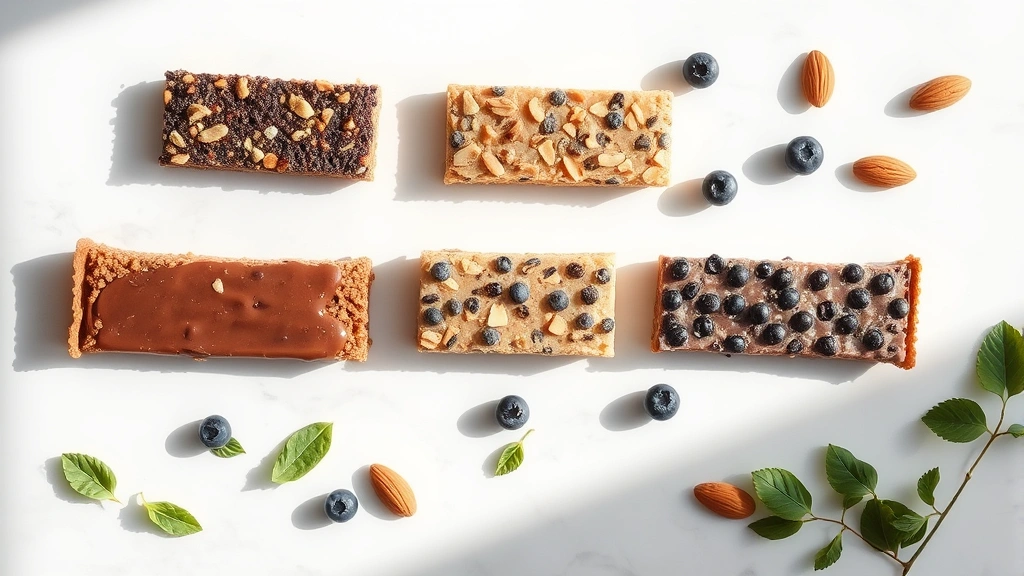
Top Protein Bars for Weight Loss? Nutritionist Picks
Finding the right protein bar can feel overwhelming when you’re focused on weight loss. With countless options lining grocery store shelves, many bars marketed as “healthy” actually contain hidden sugars, artificial ingredients, and excessive calories that work against your goals. As a nutritionist specializing in weight management, I’ve evaluated dozens of protein bars to identify which ones genuinely support sustainable weight loss while tasting satisfying enough to stick with long-term.
Protein bars serve an important role in a comprehensive weight loss strategy. They provide convenient nutrition between meals, help stabilize blood sugar levels, and reduce cravings for less nutritious snacks. When combined with other evidence-based approaches like those discussed in our guide to PCOS diet for weight loss or medical interventions like tirzepatide dosing for weight loss, quality protein bars become valuable tools. However, not all bars are created equal, and choosing poorly can sabotage your efforts.
This guide breaks down what makes a protein bar truly effective for weight loss, reviews my top nutritionist picks, and explains how to evaluate bars based on your specific needs and preferences.
What Makes a Protein Bar Good for Weight Loss
Not every protein bar supports weight loss equally. The best bars for your goals share several key characteristics that distinguish them from standard candy bars masquerading as health foods.
Adequate protein content is the foundation. Look for bars containing at least 15-20 grams of protein per serving. Protein increases satiety, meaning you feel fuller longer and experience fewer cravings. Research from the National Institutes of Health consistently demonstrates that higher protein intake supports weight management by reducing overall calorie consumption and preserving lean muscle mass during weight loss.
Low sugar formulation is equally critical. Many mainstream protein bars contain 15-25 grams of sugar, equivalent to several cookies. This sugar content triggers blood sugar spikes, increases hunger hormones, and provides empty calories that don’t contribute to satiety. Aim for bars with 5 grams of sugar or less, or bars sweetened with sugar alcohols and stevia that don’t impact blood glucose.
Reasonable calorie count matters because even healthy foods contribute to your daily energy balance. Most effective weight loss protein bars contain 150-250 calories. Higher-calorie bars (300+ calories) work better as meal replacements rather than snacks, though some people find them useful when combined with before and after tirzepatide weight loss results documentation for motivation.
Fiber content enhances satiety and digestive health. Bars with 5-10 grams of fiber slow digestion, stabilize blood sugar, and promote feelings of fullness. Fiber also supports gut health, which increasingly appears important for weight management based on recent microbiome research.
Clean ingredient lists mean avoiding artificial sweeteners in excess, preservatives, and ultra-processed components. While some artificial sweeteners are safe, bars with minimal additives tend to work better for sustainable weight loss because they don’t trigger cravings for highly processed foods.
Top Protein Bar Picks by Category
I’ve selected the following bars based on nutritional quality, taste, availability, and real-world effectiveness reported by clients managing weight loss.
Best Overall: RXBAR Original
RXBAR stands out because its ingredient list reads like a recipe: egg white protein, almonds, dates, and minimal additions. Each bar contains 12 grams of protein, 5 grams of fiber, and 210 calories with just 1 gram of sugar. The texture is dense and satisfying, and the natural sweetness from dates feels indulgent without spiking blood sugar. Available in flavors like chocolate chip and peanut butter, these bars work well as either snacks or light breakfasts.
Best for Hunger Control: Quest Bar
Quest bars pack 20 grams of protein and 14 grams of fiber into 170-200 calories with only 1 gram of sugar. The high fiber content makes these exceptionally satiating. Some people report the texture is chewier than traditional candy bars, which actually benefits weight loss by requiring more chewing and slowing consumption. The chocolate variety tastes genuinely dessert-like, making adherence easier. These work particularly well for people following approaches similar to those outlined in our hormone replacement therapy and weight loss protocols.
Best Tasting: BUILT Bar
BUILT bars deliver legitimate chocolate flavor with 20 grams of protein, 8 grams of fiber, and 200-220 calories. They taste remarkably similar to premium chocolate bars, which helps clients stick with their weight loss plans long-term. The cookie dough flavor receives particularly high praise. While slightly higher in calories than some alternatives, the superior taste often means better compliance, making them worthwhile for many people.
Best Budget Option: Kirkland Signature Protein Bars
Costco’s Kirkland brand offers excellent value at approximately $0.70 per bar. Each contains 20 grams of protein, 8 grams of fiber, and 200 calories with just 1 gram of sugar. While less well-known than premium brands, these bars deliver solid nutrition without premium pricing. They work well for people buying in bulk and trying different flavors affordably.
Best for Meal Replacement: ONE Bar
At 20 grams of protein and 250-270 calories, ONE bars work better as light meal replacements than snacks. They contain 9 grams of fiber and come in indulgent flavors like birthday cake and maple glazed. The higher calorie and protein content makes them suitable for post-workout recovery or breakfast replacements when combined with other nutritious foods.
Nutritional Criteria to Look For
Beyond my specific recommendations, understanding the nutritional framework helps you evaluate any bar against your personal weight loss goals.
Protein-to-calorie ratio: Divide total protein by total calories. Bars should have at least 0.08 (meaning 8 grams protein per 100 calories). Quest bars, for example, offer 0.10-0.12, making them exceptional. This ratio ensures you’re getting meaningful protein without excessive calories.
Sugar alcohols versus artificial sweeteners: Sugar alcohols like erythritol and xylitol have minimal impact on blood glucose and contain fewer calories than sugar. Some people experience digestive issues with high amounts, so start with moderate consumption. Stevia and monk fruit represent natural alternatives. Avoid bars relying heavily on aspartame or sucralose if you’re sensitive to artificial sweeteners.
Fat quality: Bars containing nuts, seeds, and plant-based fats support satiety better than those with palm oil or hydrogenated fats. Almonds, peanuts, coconut oil, and avocado oil indicate higher quality formulations. Fat also slows digestion, contributing to sustained energy and reduced hunger between meals.
Micronutrient additions: Some bars include added vitamins and minerals. While whole foods remain superior sources, fortified bars can contribute meaningful amounts of magnesium, iron, and B vitamins. This becomes particularly relevant for people following restrictive diets or those using medications like topamax dosage for weight loss that may deplete certain nutrients.

Common Mistakes When Choosing Protein Bars
Even well-intentioned people often select bars that undermine their weight loss efforts. Recognizing these mistakes helps you avoid them.
Confusing “high protein” with “good for weight loss”: A bar with 30 grams of protein but 400 calories and 20 grams of sugar isn’t appropriate for weight loss snacking, despite the protein content. These bars often work better as post-workout meals rather than between-meal snacks. Evaluate the complete nutritional profile, not isolated nutrients.
Ignoring sugar content: Many bars marketed to fitness enthusiasts contain as much sugar as desserts. Reading labels carefully reveals that “natural” bars sometimes hide significant sugar under names like honey, maple syrup, or fruit juice concentrate. These impact blood glucose identically to refined sugar.
Choosing bars primarily for convenience: While convenience matters for adherence, selecting bars based solely on availability without checking nutrition often results in poor choices. Spending an extra five minutes comparing labels at the store prevents weeks of undermined progress.
Not considering individual tolerance: Some people experience digestive discomfort from high fiber bars, especially when increasing intake suddenly. Others find certain sweeteners trigger cravings. Testing different bars and noting how they affect your hunger, energy, and digestion helps identify your ideal choice. What works perfectly for your friend may not work for you.
Relying on bars as primary nutrition: While helpful, bars shouldn’t replace whole foods. A diet consisting primarily of bars misses the micronutrients, phytonutrients, and fiber found in vegetables, fruits, and whole grains. Use bars as supplements to whole-food meals, not substitutes for them.
How to Incorporate Protein Bars Into Your Plan
Optimal use of protein bars depends on your specific situation and goals.
Strategic timing: Consume protein bars when hunger typically strikes or when whole-food options aren’t available. Common optimal times include mid-morning (9-10 AM), mid-afternoon (3-4 PM), or post-workout (within 30-60 minutes of exercise). Eating bars at strategic times prevents larger meals and reduces overall daily calorie intake more effectively than random snacking.
Combination approach: Pair bars with other foods for better satiety. A bar with an apple, almonds, or Greek yogurt creates a more balanced snack that stabilizes blood sugar better than a bar alone. This becomes especially important if you’re also implementing other weight loss strategies like those involving Wegovy weight loss before and after pictures documentation.
Quantity awareness: Despite being “healthy,” eating multiple bars daily adds significant calories. Most people should limit bars to one or two per day maximum. Overconsuming even nutritious bars defeats weight loss purposes because calories still count for energy balance.
Rotation strategy: Varying bar flavors and brands prevents taste fatigue and boredom, which often derails weight loss efforts. Try new flavors regularly while maintaining your core selections. Having 3-4 favorite options means you’re more likely to reach for bars instead of less nutritious alternatives.
Integration with medication: If you’re using weight loss medications or considering approaches like topamax dosage for weight loss, ensure your bar choices complement your overall plan. Some medications affect appetite or nutrient absorption, making bar selection more important. Discuss with your healthcare provider or registered dietitian how bars fit into your complete nutrition strategy.

FAQ
Are protein bars better than eating whole foods for weight loss?
Whole foods generally provide superior nutrition, including more micronutrients, fiber, and satiety per calorie. However, protein bars offer convenience and portion control that whole foods sometimes can’t match. The best approach combines whole foods as your primary nutrition with strategic bar use when whole foods aren’t available. Bars work best as supplements, not replacements.
Can I eat protein bars every day?
Yes, one bar daily fits comfortably into most weight loss plans. Two bars daily works for some people, but exceeding this typically adds unnecessary calories. Focus on whole foods as your nutrition foundation, with bars filling specific gaps in your daily eating pattern.
Do protein bars spike blood sugar?
Quality protein bars with low sugar and adequate fiber have minimal blood sugar impact. However, bars high in sugar or made with refined carbohydrates spike blood glucose significantly. Always check the sugar content and carbohydrate quality. Bars sweetened with sugar alcohols or stevia don’t spike blood sugar in most people, though individual responses vary.
Which protein bar tastes most like candy?
BUILT bars receive the highest praise for genuine chocolate flavor. ONE bars and some Quest flavors also satisfy sweet cravings effectively. Since taste preferences vary individually, trying a few brands helps identify your personal favorite.
Are expensive protein bars worth the cost?
Premium bars aren’t inherently superior nutritionally. Kirkland and other budget options often match or exceed expensive brands nutritionally. Spend more only if premium brands taste significantly better and this improves your adherence. Otherwise, prioritize nutrition over brand prestige.
Can protein bars help with muscle recovery after exercise?
Bars with 20+ grams of protein and carbohydrates work well for post-workout recovery, though whole foods like chicken, Greek yogurt, or eggs provide additional benefits. Choose bars with reasonable calorie counts if weight loss is your primary goal, or slightly higher-calorie bars (250-300 calories) if muscle building is equally important.
What’s the difference between meal replacement bars and protein snack bars?
Meal replacement bars typically contain 250-400 calories, 20-30 grams protein, and significant fiber to provide complete nutrition for a light meal. Snack bars contain 150-220 calories with 12-20 grams protein, designed for between-meal hunger management. Using bars in their intended category yields better results than treating meal replacement bars as snacks or vice versa.


