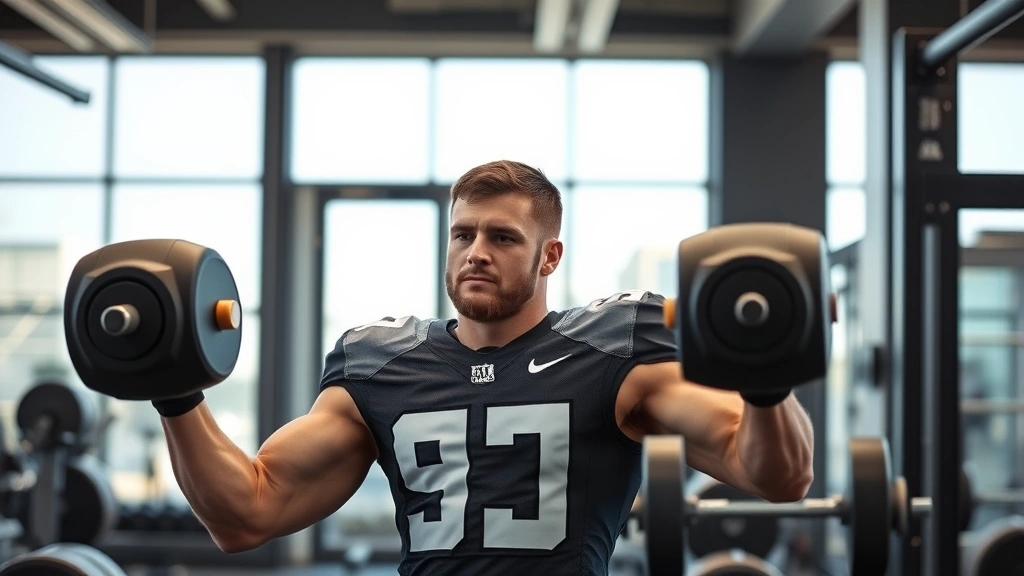
Travis Kelce’s Weight Loss Tips? Expert Insights on Athletic Performance and Nutrition
Travis Kelce, the Kansas City Chiefs’ elite tight end, has long been a subject of fascination for fitness enthusiasts and football fans alike. While Kelce has never publicly announced a major weight loss transformation, his physique demonstrates the importance of strategic body composition management for professional athletes. Understanding the principles behind athletic weight management can provide valuable insights for anyone pursuing their own health goals, whether they’re motivated by sports performance or personal wellness.
The conversation around celebrity fitness often overshadows the actual science of sustainable weight management. Rather than chasing quick fixes or extreme measures, effective approaches combine periodized training, nutritional strategy, and consistent lifestyle habits. This comprehensive guide explores evidence-based weight loss principles that align with how elite athletes approach body composition, offering practical strategies you can implement regardless of your starting point.

Athletic Body Composition vs. Scale Weight
One critical distinction that separates athletic weight loss from conventional approaches is the emphasis on body composition over absolute weight. Elite athletes like Kelce focus on reducing body fat while preserving or building lean muscle mass. This approach produces dramatically different results than simply losing pounds on a scale.
For professional football players, maintaining optimal body composition serves multiple purposes: improved agility, reduced injury risk, enhanced speed, and better endurance. A 260-pound tight end with 12% body fat performs entirely differently than a 260-pound individual with 25% body fat, despite identical scale weight. This distinction matters profoundly for anyone seeking meaningful, sustainable results.
The practical implication is straightforward: prioritize fitness metrics and how clothes fit over obsessive scale-watching. weight loss and blood pressure improvements often follow naturally when body composition shifts favorably. Progressive resistance training builds muscle tissue, which increases resting metabolic rate—the calories your body burns simply existing.
- Muscle tissue burns approximately 6 calories per pound daily at rest, compared to 2-3 calories for fat tissue
- Body recomposition can occur without scale weight changes, yet produces visible, functional improvements
- Strength metrics become more meaningful than weight for tracking genuine progress
- Visual and performance improvements often precede scale movement by several weeks

Protein-Focused Nutrition Strategy
Professional athletes across all sports recognize that protein intake forms the foundation of effective body composition management. Kelce, like most NFL players, likely follows a high-protein approach that supports muscle preservation while in a caloric deficit—the metabolic state necessary for fat loss.
Protein offers multiple advantages beyond muscle building. It has the highest thermic effect of all macronutrients, meaning your body burns more calories digesting protein compared to carbohydrates or fats. Additionally, adequate protein intake significantly improves satiety—the feeling of fullness that helps prevent overeating.
Research from registered dietitians and sports nutrition specialists consistently supports protein intakes of 0.7-1.0 grams per pound of body weight for individuals engaged in strength training and pursuing body composition changes. For a 260-pound athlete, this translates to 182-260 grams of protein daily, distributed across multiple meals.
Practical protein sources that support sustained energy and performance include:
- Lean poultry (chicken breast, turkey) providing 35+ grams per serving
- Fish and seafood offering omega-3 fatty acids alongside protein
- Greek yogurt and cottage cheese for convenient, portable options
- Eggs providing complete amino acid profiles and choline
- Legumes and plant-based sources for dietary variety
- High-quality protein supplements for convenience around training
Interestingly, protein-focused nutrition naturally supports other health markers. Many individuals discover that weight loss and blood pressure improvements occur simultaneously when transitioning to higher-protein, whole-food approaches. This synergistic effect reflects how comprehensive nutritional changes address multiple physiological systems.
High-Intensity Training and Metabolic Adaptation
Elite athletes employ training methodologies specifically designed to maximize fat loss while preserving muscle. Professional football players like Kelce combine multiple training modalities: strength training, high-intensity interval training (HIIT), sport-specific conditioning, and strategic recovery days.
The science supporting this approach is substantial. High-intensity interval training creates an afterburn effect (excess post-exercise oxygen consumption or EPOC), where your metabolic rate remains elevated for hours following intense exercise. This amplifies total daily energy expenditure beyond the workout itself.
A typical elite athlete’s training week might include:
- Strength training sessions (3-4 per week) focusing on compound movements like squats, deadlifts, and pressing variations
- High-intensity interval sessions (2-3 per week) alternating maximum-effort sprints with recovery periods
- Sport-specific conditioning mimicking competitive demands and movement patterns
- Active recovery days including mobility work, stretching, and low-intensity movement
The key principle is progressive overload within training—consistently challenging your body slightly more than previous sessions. This stimulus drives both performance improvements and favorable body composition changes. Many individuals discover that engaging with structured weight loss challenges provides the accountability and community support that makes consistent training adherence realistic.
Resistance training offers additional advantages beyond immediate calorie expenditure. It signals your body to preserve muscle tissue during periods of caloric deficit, ensuring that weight loss comes primarily from fat stores rather than metabolically active muscle. This preservation of lean mass maintains long-term metabolic health.
Recovery and Sleep’s Role in Weight Management
A frequently overlooked component of successful weight loss is adequate sleep and recovery. Professional athletes prioritize sleep as aggressively as they approach training and nutrition, recognizing that recovery determines whether training stimuli produce positive adaptations.
Sleep deprivation directly undermines weight loss efforts through multiple mechanisms:
- Impaired appetite regulation: Poor sleep increases ghrelin (hunger hormone) while decreasing leptin (satiety hormone), creating neurochemical pressure to overeat
- Reduced insulin sensitivity: Sleep loss diminishes your body’s ability to manage blood glucose effectively, promoting fat storage
- Decreased metabolic rate: Inadequate sleep reduces overall energy expenditure
- Increased cortisol: Chronic sleep deprivation elevates stress hormones that promote abdominal fat accumulation
Elite athletes typically target 8-10 hours of quality sleep nightly, with consistent sleep timing supporting circadian rhythm optimization. This consistency matters as much as total duration—sleeping 8 hours irregularly produces worse outcomes than consistent, earlier sleep schedules.
Practical sleep optimization strategies include:
- Maintaining consistent sleep and wake times, even on weekends
- Creating cool, dark sleeping environments (around 65-68°F)
- Limiting blue light exposure 1-2 hours before bed
- Avoiding caffeine after early afternoon
- Establishing wind-down routines signaling sleep preparation
Periodized Approach to Seasonal Changes
Professional athletes employ periodized training and nutrition approaches that shift emphasis based on competitive calendars and performance goals. The NFL offseason differs dramatically from in-season demands, allowing for different body composition focuses.
During offseason periods, athletes might pursue more aggressive body composition changes, accepting greater training volume and potentially larger caloric deficits. As competition approaches, nutrition becomes more conservative, prioritizing performance maintenance and injury prevention over aggressive fat loss.
This periodized thinking applies to anyone pursuing sustainable weight loss. Rather than maintaining identical approaches year-round, strategic variation prevents adaptation plateaus while supporting long-term adherence. Many individuals find that rotating between body composition focus phases and maintenance phases produces better long-term results than continuous aggressive restriction.
For some individuals, medical interventions like tirzepatide dosing for weight loss or other prescription medications provide additional support during specific phases. These tools work synergistically with training and nutrition rather than replacing fundamental lifestyle approaches.
Medical Interventions and Professional Guidance
While Kelce’s approach emphasizes training and nutrition, modern medicine offers evidence-based interventions that can support weight loss when appropriate. Wegovy weight loss before and after pictures demonstrate how medical tools can catalyze meaningful transformations when combined with lifestyle modifications.
Prescription medications like GLP-1 receptor agonists (including Wegovy and Ozempic) have demonstrated remarkable efficacy in clinical settings. The National Institutes of Health has published extensive research supporting these medications’ effectiveness for weight management. However, these represent tools within comprehensive programs rather than standalone solutions.
Professional guidance from registered dietitians and obesity medicine specialists can help identify which interventions align with individual circumstances. Some individuals benefit from medical support, while others achieve excellent results through disciplined training and nutrition alone.
For those with specific health conditions, such as PCOS diet for weight loss considerations, specialized nutritional approaches address underlying metabolic issues directly. This personalized medicine approach produces superior long-term outcomes compared to generic, one-size-fits-all strategies.
Consulting healthcare providers before beginning any significant weight loss program ensures that your approach aligns with your individual health status, medications, and goals. Professional guidance particularly matters when considering medical interventions or if you have underlying health conditions.
FAQ
Did Travis Kelce actually have a significant weight loss?
Travis Kelce has not publicly announced a major weight loss transformation. His physique reflects the consistent training and nutrition practices typical of elite NFL athletes, with seasonal body composition variations aligned to competitive calendars. The fascination with his fitness likely stems from his exceptional athletic performance rather than a dramatic transformation narrative.
What is the most important factor for weight loss success?
Caloric deficit—consuming fewer calories than you expend—remains the fundamental requirement for fat loss. However, adherence over time matters more than the specific approach. Sustainable weight loss comes from finding strategies you can maintain consistently, whether that’s specific diets, training styles, or eating patterns that align with your preferences and lifestyle.
How quickly can you expect weight loss results?
Realistic fat loss occurs at approximately 1-2 pounds per week when combining appropriate caloric deficit with resistance training. Results vary based on starting point, age, genetics, and consistency. Body composition changes often precede scale weight changes by several weeks, particularly when combining training with adequate protein intake.
Can you lose weight without exercise?
Weight loss can occur through caloric restriction alone, without exercise. However, exercise provides substantial advantages: it preserves muscle during deficit, improves body composition outcomes, supports long-term metabolic health, and enhances overall physical and mental well-being. Combining nutrition with training produces superior results compared to either approach alone.
What’s the difference between weight loss and fat loss?
Weight loss measures total body weight changes, including muscle, water, and fat. Fat loss specifically targets adipose tissue reduction while preserving or building lean mass. For health and appearance, fat loss matters far more than weight loss. An individual can lose weight while gaining fat (unhealthy) or gain weight while losing fat (healthy), depending on training and nutrition approaches.
How do professional athletes maintain weight loss long-term?
Elite athletes succeed long-term through sustainable habits rather than temporary interventions. They build training and nutrition into their identity and daily routines, create accountability systems, work with professional support teams, and adapt approaches seasonally. This lifestyle integration—rather than willpower or restriction—drives persistent results.


