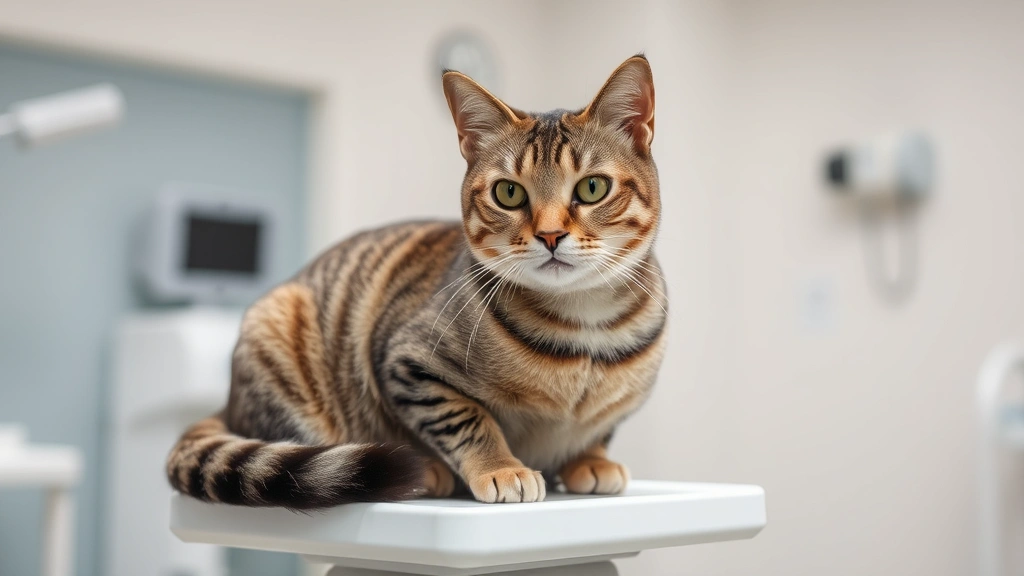
Best Dry Cat Food for Weight Loss: Vet Recommended
Feline obesity has become a significant health concern affecting millions of cats worldwide. According to veterinary studies, overweight cats face increased risks of diabetes, joint problems, heart disease, and reduced lifespan. If your cat has been gaining weight or your veterinarian has recommended a weight management program, selecting the right dry food is one of the most important steps you can take toward improving their health and longevity.
Choosing the best dry cat food for weight loss requires understanding your cat’s nutritional needs, caloric requirements, and the specific ingredients that promote satiety while supporting lean muscle mass. This comprehensive guide will help you navigate the options available and make an informed decision that aligns with your veterinarian’s recommendations.
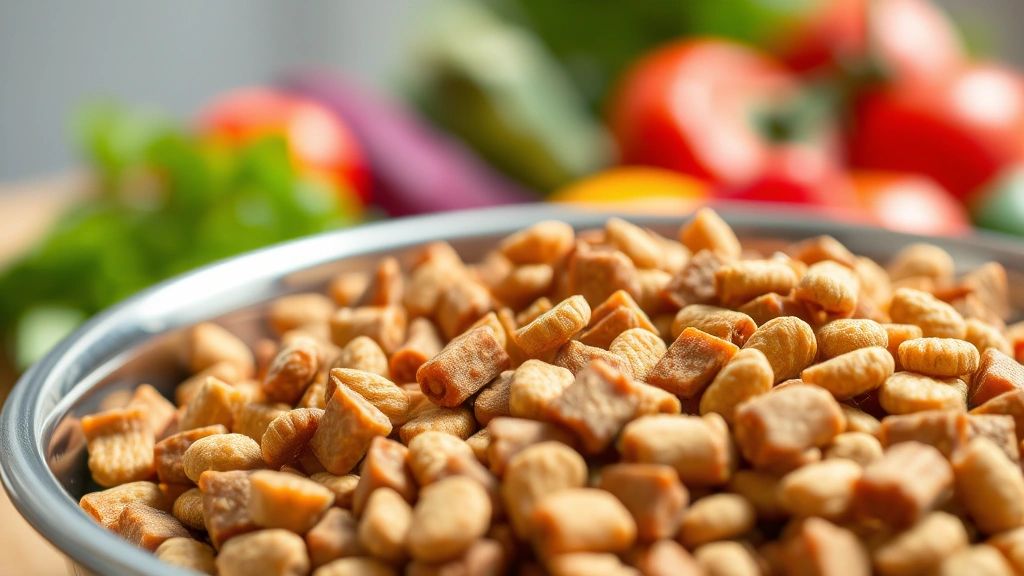
Understanding Feline Weight Management
Cats have unique metabolic requirements that differ significantly from humans and dogs. Unlike people following weight loss workout routines, cats cannot simply increase exercise to achieve sustainable weight loss. They are obligate carnivores, meaning their bodies are designed to process and thrive on protein-rich diets, not carbohydrate-heavy foods.
When cats become overweight, it typically stems from consuming more calories than they expend, often due to indoor lifestyles with limited activity. The quality and composition of food matter tremendously. A dry food formulated for weight loss should support your cat’s natural dietary preferences while reducing overall caloric intake without sacrificing essential nutrients.
Veterinary nutritionists emphasize that successful weight loss in cats requires a multi-faceted approach. Beyond selecting appropriate food, you’ll need to measure portions carefully, ensure adequate hydration, provide environmental enrichment, and maintain consistent feeding schedules. Most cats should lose weight gradually—approximately 1-2% of their body weight per week—to avoid serious metabolic complications.

Key Nutritional Components for Weight Loss
High Protein Content: The most critical factor in feline weight loss is protein. Cats require significantly more dietary protein than other animals. Quality weight loss formulas contain 35-50% crude protein on a dry matter basis. Protein supports muscle preservation during weight loss, maintains metabolic function, and promotes satiety, helping your cat feel fuller longer between meals.
Moderate Fat Levels: While cats need some dietary fat for nutrient absorption and hormone production, weight loss formulas typically contain 8-12% fat (on a dry matter basis) compared to 15-20% in maintenance foods. This reduction helps decrease overall caloric density without eliminating essential fatty acids.
Low Carbohydrate Content: This is particularly important for cats. Many commercial dry foods contain 30-40% carbohydrates, which is inappropriate for obligate carnivores and contributes to weight gain and metabolic issues. The best weight loss dry foods contain less than 10% carbohydrates, with some premium options offering under 5%.
Fiber and Satiety Factors: Soluble and insoluble fiber help cats feel satisfied on smaller portions. Ingredients like psyllium husk, cellulose, and specific plant fibers increase bulk without significant calories. Additionally, some formulas include specialized compounds that enhance satiety signals, reducing hunger and begging behavior.
Essential Micronutrients: Weight loss shouldn’t mean nutritional deficiency. Quality formulas maintain appropriate levels of vitamins, minerals, taurine, and amino acids necessary for feline health. Taurine is particularly critical—cats cannot synthesize this amino acid and must obtain it through diet.
Top Vet-Recommended Dry Foods
Royal Canin Weight Control: This veterinary-exclusive formula is specifically designed for weight management and is widely recommended by feline specialists. It contains controlled fat levels, enhanced fiber content, and precise protein ratios. The kibble size and texture are optimized to encourage chewing, which slows consumption and enhances satiety. Many veterinarians consider this a gold standard for medically supervised weight loss programs.
Hill’s Science Diet m/d: Developed by veterinary nutritionists, this formula features high protein content with controlled calories. It’s particularly effective for cats with metabolic concerns and has substantial clinical research supporting its efficacy. The formula promotes lean muscle maintenance while supporting gradual, healthy weight loss.
Purina Pro Plan DM (Diabetic Management): While formulated for diabetic cats, this food is excellent for weight management due to its low carbohydrate content and high protein profile. Many cats with weight issues also develop glucose metabolism problems, making this dual-purpose formula particularly valuable.
Iams ProActive Health Weight Control: This more affordable option still maintains appropriate nutritional standards for weight loss. It includes L-carnitine, an amino acid that supports fat metabolism. While not prescription-grade, it’s a solid choice for cats without complex medical needs.
Wellness CORE Grain-Free Indoor Health: For pet parents seeking grain-free options, this formula provides high protein (40%+) with minimal carbohydrates. It uses real poultry as primary ingredients and includes probiotics for digestive health, which can improve nutrient absorption and metabolic efficiency.
Ingredient Analysis and Quality Markers
Understanding ingredient lists helps you evaluate whether a food truly supports weight loss goals. The first ingredient should be a specific protein source—chicken, turkey, fish, or beef—rather than vague terms like “meat meal” or “animal by-products.” Named protein sources indicate higher quality and better digestibility.
Avoid foods listing corn, wheat, or soy as primary ingredients. These fillers provide empty calories without nutritional benefit for cats. Look for foods mentioning specific vegetables and fruits in moderation, as some fiber sources are beneficial while excessive plant matter is inappropriate for obligate carnivores.
Check the guaranteed analysis for protein percentages on a dry matter basis. Divide the protein percentage by 100 minus the moisture percentage, then multiply by 100 to calculate dry matter protein. A weight loss food should exceed 35% protein on this calculation. Similarly, calculate fat and carbohydrate percentages to ensure they align with weight management goals.
The presence of AAFCO (Association of American Feed Control Officials) certification indicates the food meets minimum nutritional standards. However, meeting minimums differs from optimal formulation. Prescription or veterinary-exclusive diets often exceed AAFCO requirements.
Natural preservatives like mixed tocopherols (vitamin E) and rosemary extract are preferable to chemical preservatives like BHA, BHT, or ethoxyquin. While the latter aren’t necessarily harmful at regulated levels, natural alternatives are available and equally effective.
Transitioning Your Cat to Weight Loss Food
Cats are notoriously resistant to dietary changes. A sudden switch to new food can cause digestive upset and behavioral resistance, potentially derailing your weight loss efforts. A gradual transition over 7-10 days allows your cat’s digestive system to adjust and increases acceptance likelihood.
Transition Schedule: Days 1-2: Mix 75% old food with 25% new food. Days 3-4: Use a 50/50 blend. Days 5-6: Combine 25% old food with 75% new food. Days 7-10: Transition to 100% new food. If your cat shows digestive upset, extend the timeline or consult your veterinarian.
Some cats require even slower transitions. Mixing small amounts of low-sodium broth or adding a small portion of wet food (if your vet approves) can increase palatability during transition. Warming food slightly can also enhance aroma and appeal.
Monitor your cat’s response throughout the transition. Occasional vomiting or loose stools may occur, but persistent digestive issues warrant veterinary consultation. Once fully transitioned, continue monitoring for appetite, energy levels, and litter box habits.
Consistency matters tremendously. Feeding at the same times daily, in the same location, using the same dishes, helps your cat adjust psychologically to dietary changes. Predictable feeding schedules also support metabolic regulation and make portion control easier.
Monitoring Progress and Adjusting Portions
Successful weight loss requires precise portion control combined with regular monitoring. Work with your veterinarian to determine target weight and establish realistic timelines. Most cats benefit from losing 1-2% of body weight weekly, translating to roughly 0.5-1 pound monthly for average-sized cats.
Calculate daily caloric needs using your cat’s ideal weight, not current weight. Your veterinarian can provide specific calculations, or you can use the formula: 30 × (ideal weight in kg) + 70 = daily calories. Then reduce this by 10-20% to create the caloric deficit necessary for weight loss.
Measure food precisely using a kitchen scale rather than eyeballing portions. This accuracy is crucial—even small measurement errors compound over time. Record daily portions and weight loss progress in a notebook or app to identify patterns and adjust as needed.
Weigh your cat monthly at your veterinary clinic, using the same scale for consistency. Track body condition score—your vet can teach you to feel your cat’s ribs and assess abdominal tuck. As your cat loses weight, you should gradually feel ribs without pressing, and observe a visible waist when viewed from above.
If weight loss plateaus after 4-6 weeks, reassess portions and activity levels. Occasionally, small reductions in calories or adjustments in food selection become necessary. However, avoid drastic cuts, which can trigger hepatic lipidosis (fatty liver disease) in cats—a potentially fatal condition.
Increase environmental enrichment alongside dietary changes. Interactive play sessions, climbing structures, puzzle feeders, and window perches encourage activity and mental stimulation. Even modest increases in movement support weight loss and improve overall wellbeing.
Common Mistakes to Avoid
Excessive Caloric Restriction: Reducing calories too aggressively causes muscle loss, metabolic slowdown, and dangerous conditions like hepatic lipidosis. Gradual, moderate reduction with proper nutrition is safer and more sustainable than crash dieting.
Inconsistent Feeding Schedules: Free-feeding or inconsistent portion sizes undermine weight loss efforts. Establish set mealtimes with measured portions. If multiple cats share your home, feed them separately to control individual intake.
Ignoring Treats and Table Food: Treats and human food can comprise 10-25% of daily caloric intake, easily derailing weight loss. Strictly limit treats to less than 10% of daily calories, and eliminate table scraps entirely. Consult your veterinarian about appropriate treat options.
Choosing Wrong Food Type: Some cats do better with wet food during weight loss despite your food selection being dry. Discuss options with your veterinarian. Additionally, some cats require prescription formulas due to underlying health conditions—never switch without professional guidance.
Neglecting Veterinary Oversight: Weight loss should occur under veterinary supervision, particularly for cats with existing health issues. Regular check-ins allow your vet to monitor for complications and adjust recommendations based on progress.
Expecting Immediate Results: Sustainable weight loss takes time. Avoid frustration if progress seems slow. Remember that gradual weight loss is healthier and more likely to be maintained long-term than rapid loss.
For comprehensive health support during weight management, some pet parents also consider how their own health relates to their pets’ care. Understanding high protein shakes for weight loss or consulting a doctor for weight loss near me can help you establish household routines that support both your wellbeing and your cat’s health journey.
Understanding how to calculate daily calorie needs principles applies similarly to feline nutrition, though cats’ requirements differ significantly from humans. The metabolic science underlying weight management is consistent across species, emphasizing caloric balance and nutrient density.
FAQ
How long does it take for a cat to lose weight on a diet food?
Most cats lose weight gradually over 3-6 months with proper diet and portion control. The timeline depends on starting weight, metabolic rate, activity level, and adherence to feeding guidelines. Never rush the process—your veterinarian can provide realistic expectations for your specific cat.
Can I mix wet and dry food for weight loss?
Yes, combining wet and dry food can work well for weight loss. Wet food adds volume and satiety with fewer calories than dry kibble. However, ensure total daily calories remain appropriate and that wet food calories are accounted for in daily totals. Discuss proportions with your veterinarian.
What if my cat refuses the weight loss food?
Palatability challenges are common. Try slower transitions, warming the food, mixing with small amounts of low-sodium broth, or consulting your veterinarian about alternative formulas. Some cats require prescription foods specifically designed for their preferences and medical needs.
Should I combine weight loss food with increased exercise?
Absolutely. While dietary management is primary, environmental enrichment and interactive play support weight loss and overall health. Even modest activity increases make meaningful differences in feline weight management outcomes.
Is grain-free food better for weight loss?
Not necessarily. Grain-free foods can be excellent for weight loss if they maintain high protein, low carbohydrate profiles. However, grain-inclusive foods can be equally effective if properly formulated. Focus on overall nutritional composition rather than grain content alone. Some recent research suggests potential concerns with certain grain-free formulas, so discuss options with your veterinarian.
Can weight loss food cause behavioral changes?
Some cats experience increased hunger or begging during initial weight loss phases. This typically diminishes as they adjust to smaller portions. Using puzzle feeders, increasing feeding frequency slightly, or incorporating more interactive play helps address behavioral concerns while maintaining caloric goals.
How often should I have my cat weighed during weight loss?
Monthly weigh-ins at your veterinary clinic allow proper progress tracking and adjustment opportunities. More frequent weighing can cause unnecessary concern over normal fluctuations. Your veterinarian may recommend more frequent visits initially to ensure appropriate weight loss rate and monitor for complications.


