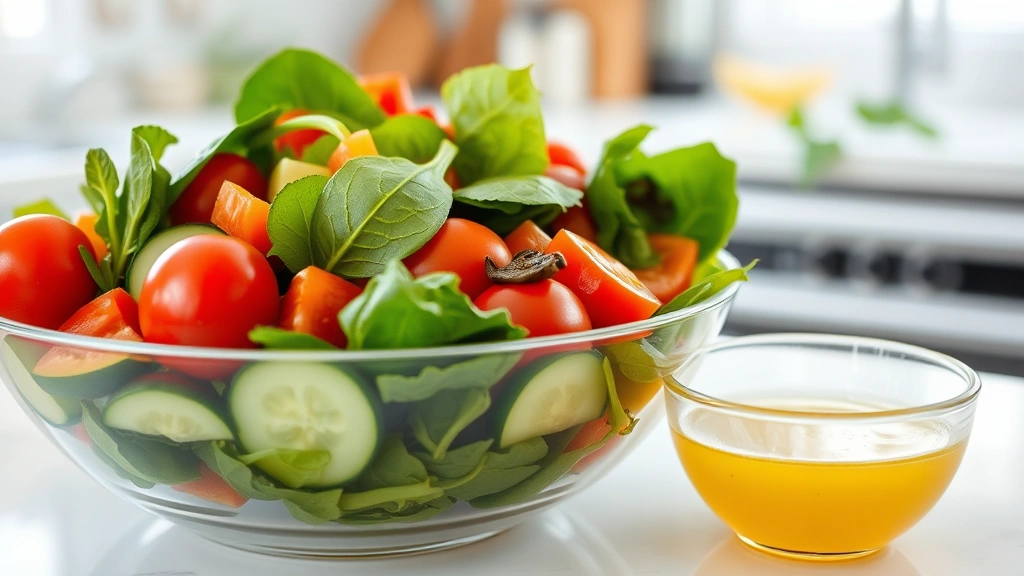
Top Salad Dressings for Weight Loss: Nutritionist Tips
Salads are often considered a cornerstone of healthy eating, but the dressing you choose can make or break your weight loss goals. Many commercial dressings contain hidden sugars, unhealthy fats, and excessive calories that can quickly transform a nutritious meal into a calorie bomb. Understanding which dressings support your weight loss journey while keeping meals satisfying is essential for long-term success.
A typical serving of creamy salad dressing can contain 100-200 calories and 10-20 grams of fat, often from low-quality oils and emulsifiers. This means that a healthy spinach salad can easily become a 500+ calorie meal before you even add protein. The good news is that with strategic choices and simple homemade alternatives, you can enjoy flavorful dressings that support your body composition goals and keep you satisfied between meals.
In this guide, we’ll explore the best dressing options for weight loss, explain what makes them effective, and provide practical tips for incorporating them into your daily nutrition plan. Whether you’re looking to reduce calorie intake or improve your overall diet quality, these nutritionist-approved recommendations will help you make informed choices.

Best Dressings for Weight Loss
When selecting a dressing for weight loss, focus on options that are low in calories but high in flavor and satiety. The best dressings for weight loss contain minimal added sugars, use healthy fats in moderation, and include ingredients that support metabolic health. Research from the American Heart Association emphasizes that added sugars in condiments contribute significantly to daily calorie intake without providing nutritional benefit.
The foundation of any weight loss-friendly dressing should include:
- Acidic components like vinegar or lemon juice, which add flavor without calories
- Healthy fats such as olive oil in measured amounts, which promote satiety and nutrient absorption
- Protein sources like Greek yogurt, which increase fullness and support muscle preservation
- Spices and herbs that provide flavor complexity without calories or sodium overload
- Natural sweeteners or no sweetener at all, avoiding high-fructose corn syrup and excess sugar
A well-designed dressing should contain no more than 50-100 calories per 2-tablespoon serving, less than 2 grams of added sugar, and ideally include some protein or fiber to enhance satiety. This approach aligns with nutritional guidance from registered dietitian organizations that emphasize whole food ingredients and portion awareness.

Oil and Vinegar-Based Options
Vinaigrette dressings represent one of the simplest and most effective weight loss dressing strategies. A basic vinaigrette typically contains just three ingredients: oil, vinegar, and seasonings. The beauty of this approach lies in its versatility and nutritional profile. When prepared correctly, a 2-tablespoon serving contains approximately 80-120 calories, primarily from olive oil, which provides heart-healthy monounsaturated fats.
The ratio for a balanced vinaigrette is typically 3 parts oil to 1 part acid (vinegar or lemon juice). However, for weight loss purposes, consider adjusting this to a 2:1 or even 1:1 ratio, which reduces calories while maintaining flavor through increased acidity. Balsamic vinegar, red wine vinegar, apple cider vinegar, and rice vinegar each offer distinct flavor profiles that can keep salads interesting without adding calories.
Benefits of vinegar-based dressings extend beyond calorie reduction. Research suggests that vinegar consumption may support blood sugar stability and satiety, making these dressings particularly effective for weight management. The acidity also enhances the absorption of minerals like iron and calcium from leafy greens, maximizing the nutritional value of your salad. Combining vinaigrettes with protein sources supports the goals outlined in our guide on best protein bars for weight loss, which emphasizes protein’s role in sustained energy and appetite control.
Popular vinaigrette variations include:
- Lemon herb: Fresh lemon juice, olive oil, garlic, and herbs like dill or oregano
- Balsamic: Aged balsamic vinegar with Dijon mustard and olive oil
- Apple cider: Raw apple cider vinegar with ginger and a touch of honey
- Red wine: Classic French-style with shallots and whole grain mustard
- Asian-inspired: Rice vinegar with sesame oil and low-sodium soy sauce
Yogurt and Greek Yogurt Dressings
Greek yogurt has revolutionized healthy dressing options for weight loss. With 15-20 grams of protein per serving and minimal calories, Greek yogurt serves as an excellent base for creamy dressings that rival traditional ranch or blue cheese options in satisfaction while supporting your nutrition goals. A dressing made with non-fat Greek yogurt contains only 20-30 calories per 2 tablespoons compared to 170+ calories in full-fat creamy dressings.
The protein content in yogurt-based dressings provides several advantages for weight loss. Protein increases thermogenesis (the calories your body burns digesting food), promotes muscle preservation during calorie restriction, and enhances satiety—meaning you’ll feel fuller longer and experience fewer cravings. This aligns with nutritional science supporting weight loss and weight training strategies that emphasize protein intake for body composition improvement.
When creating yogurt-based dressings, choose plain non-fat or low-fat Greek yogurt and add flavor through:
- Fresh herbs like dill, parsley, basil, or cilantro
- Garlic and onion powder for depth
- Lemon juice or vinegar for tang
- Spices such as paprika, cumin, or black pepper
- Whole grain mustard for complexity
- A minimal amount of honey or maple syrup if sweetness is desired
The consistency of Greek yogurt dressings is naturally thicker than vinaigrettes, providing a satisfying coating on salad ingredients. This texture satisfaction is crucial for long-term adherence to healthy eating patterns, as many people struggle with restrictive diets that feel unsatisfying. By choosing dressings that provide sensory pleasure alongside nutritional benefits, you’re more likely to maintain your weight loss progress.
Creamy Alternatives Without the Guilt
Beyond Greek yogurt, several other ingredients can create creamy dressings with minimal caloric impact. Cottage cheese, cashew cream, and avocado-based options offer variety while supporting weight loss objectives. Each provides unique nutritional benefits and flavor profiles that can prevent salad fatigue.
Cottage cheese dressings are experiencing a renaissance in healthy cooking. Low-fat cottage cheese blended with vinegar, lemon juice, and seasonings creates a protein-rich dressing with 30-40 calories per serving. This option appeals to those seeking variety from yogurt-based alternatives while maintaining excellent protein content.
Cashew cream offers a plant-based alternative for those with dairy sensitivities. Soaking raw cashews and blending them with water, lemon juice, and seasonings creates a luxurious texture with approximately 80-100 calories per serving—higher than yogurt options but still reasonable for those seeking dairy-free alternatives. The fat in cashews is primarily unsaturated and supports hormone health and nutrient absorption.
Avocado-based dressings provide healthy monounsaturated fats and creamy texture. While avocados contain more calories than yogurt, a small amount combined with acidic ingredients creates satisfying dressings with approximately 100-120 calories per serving. The healthy fat content supports the absorption of fat-soluble vitamins in your salad and provides sustained energy.
Maintaining adequate hydration while managing weight loss is also important when consuming creamy dressings, as adequate water intake supports digestion and satiety signals.
Homemade Dressing Recipes
Creating dressings at home puts you in complete control of ingredients and calorie content. Here are five simple recipes that support weight loss while delivering satisfying flavor:
Classic Lemon Herb Vinaigrette (60 calories per 2 tablespoons)
- 2 tablespoons extra virgin olive oil
- 3 tablespoons fresh lemon juice
- 1 teaspoon Dijon mustard
- 2 cloves garlic, minced
- 1 teaspoon dried oregano or Italian seasoning
- Salt and pepper to taste
Whisk all ingredients together and let sit for 15 minutes to allow flavors to meld.
Greek Yogurt Ranch (25 calories per 2 tablespoons)
- ½ cup non-fat Greek yogurt
- 2 tablespoons fresh lemon juice
- 1 tablespoon fresh dill, minced
- 1 tablespoon fresh parsley, minced
- ½ teaspoon garlic powder
- ¼ teaspoon onion powder
- Salt and pepper to taste
Combine all ingredients and refrigerate for at least 1 hour for flavors to develop.
Balsamic Mustard Vinaigrette (70 calories per 2 tablespoons)
- 3 tablespoons aged balsamic vinegar
- 2 tablespoons extra virgin olive oil
- 1 tablespoon whole grain mustard
- 1 teaspoon honey
- 1 clove garlic, minced
Shake vigorously in a jar or whisk until emulsified.
Cilantro Lime Dressing (80 calories per 2 tablespoons)
- ¼ cup fresh cilantro, packed
- 3 tablespoons fresh lime juice
- 2 tablespoons extra virgin olive oil
- 1 tablespoon water
- 1 small jalapeño, seeded (optional)
- 1 clove garlic
- Salt to taste
Blend all ingredients until smooth.
Tahini Lemon Dressing (100 calories per 2 tablespoons)
- 3 tablespoons tahini
- 3 tablespoons water
- 2 tablespoons lemon juice
- 1 clove garlic, minced
- ½ teaspoon cumin
- Salt and pepper to taste
Whisk until smooth, adding more water if needed for desired consistency.
Store-Bought Options to Buy
When time constraints make homemade dressings impractical, several commercial options support weight loss goals. Look for dressings with these characteristics: fewer than 100 calories per 2-tablespoon serving, less than 2 grams added sugar, and recognizable ingredients you can pronounce.
Top store-bought options include vinaigrette varieties from brands emphasizing clean ingredients, light ranch dressings made with Greek yogurt, and Asian-inspired dressings based on rice vinegar. Many mainstream brands now offer reduced-calorie versions that maintain flavor through increased seasoning rather than added sugar.
When shopping, read nutrition labels carefully. Some dressings labeled “light” or “healthy” still contain significant added sugars. Compare options side-by-side, focusing on the sugar content first, then calories, then ingredient quality. Brands emphasizing olive oil and vinegar as primary ingredients typically offer better nutritional profiles than those relying on vegetable oil and high-fructose corn syrup.
Dressings to Avoid
Understanding which dressings undermine weight loss efforts is equally important as knowing which to choose. The worst options for weight loss include:
- Thousand Island: 150+ calories and 3+ grams sugar per serving, often containing high-fructose corn syrup
- French dressing: High in added sugars and often made with low-quality vegetable oils
- Creamy avocado: While avocado itself is healthy, commercial versions often contain excessive mayo and added sugars
- Honey mustard: Deceptively high in sugar, often 4-5 grams per 2-tablespoon serving
- Catalina: A sugar-heavy dressing that provides minimal nutritional benefit
- Most bottled ranch: Full-fat versions contain 170+ calories and 2+ grams sugar per serving
These dressings often contain added sugars as the second or third ingredient, which contributes to blood sugar spikes, energy crashes, and increased hunger—all obstacles to successful weight loss. Additionally, they often use low-quality vegetable oils high in omega-6 polyunsaturated fats, which may promote inflammation when consumed in excess.
Practical Tips for Dressing Success
Portion Control Matters
Even healthy dressings contribute significant calories when used excessively. A standard serving is 2 tablespoons, which many people underestimate when drizzling dressing over salads. Use a small measuring spoon to accurately portion dressings until you develop intuition for appropriate amounts. Consider storing dressing in a squeeze bottle, which allows better portion control than pouring from larger containers.
Dress Strategically
Rather than coating your entire salad with dressing, try applying it just before eating and tossing gently. This approach distributes dressing more evenly while using less total amount. Alternatively, dip your fork into dressing between bites—a technique that provides flavor satisfaction with minimal caloric intake.
Layer Your Salad
Place leafy greens and vegetables on the bottom, then add protein, healthy fats (nuts, seeds, cheese), and finally dressing on top. This layering approach prevents vegetables from becoming soggy while keeping dressing from soaking into lighter greens.
Make Dressing Ahead
Prepare dressings in batches and store in glass containers for up to one week. Having prepared dressings readily available increases the likelihood of choosing healthy options over high-calorie alternatives. Labeling containers with preparation dates and calorie information helps with accountability.
Combine with Exercise
While dressing choice alone doesn’t determine weight loss success, combining smart dressing selections with consistent exercise amplifies results. Understanding the best time of day to exercise for weight loss helps optimize your overall nutrition and fitness strategy for maximum effectiveness.
Consider Individual Health Conditions
Those managing PCOS diet requirements for weight loss or other metabolic conditions may benefit from dressings emphasizing protein and healthy fats while minimizing refined carbohydrates. Consulting with healthcare providers about individual dietary needs ensures your dressing choices support your specific health goals.
Experiment with Flavors
Preventing salad fatigue is crucial for long-term dietary adherence. Rotate between different vinegars, herbs, and spices to keep salads interesting. Try Asian-inspired dressings one day, Mediterranean flavors the next, and Mexican-influenced options another day. This variety maintains enthusiasm for healthy eating.
FAQ
What is the lowest-calorie salad dressing for weight loss?
Oil and vinegar vinaigrettes contain the fewest calories when prepared in a 1:1 ratio of oil to vinegar, providing approximately 40-60 calories per 2-tablespoon serving. Greek yogurt-based dressings are also extremely low-calorie at 20-30 calories per serving, making them excellent choices for those prioritizing calorie reduction.
Can I eat creamy dressing while losing weight?
Yes, creamy dressings can support weight loss when made with protein-rich bases like Greek yogurt or cottage cheese rather than mayonnaise-heavy ingredients. These options provide satisfying texture and flavor while maintaining reasonable calorie counts. The key is choosing dressings with protein content and avoiding added sugars.
How much salad dressing should I use per serving?
A standard serving of salad dressing is 2 tablespoons, which contains approximately 60-120 calories depending on the type. For most salads, 2-3 tablespoons total provides adequate flavor without excessive calories. Using a measuring spoon ensures accuracy until portion sizes become intuitive.
Are store-bought light dressings effective for weight loss?
Many store-bought light dressings are effective for weight loss if they contain fewer than 100 calories per serving and minimal added sugars. However, reading labels is essential, as some “light” options still contain significant sugars. Homemade dressings typically offer better ingredient quality and cost-effectiveness.
What dressing works best for different salad types?
Vinaigrettes pair well with Mediterranean and green salads, Greek yogurt dressings complement vegetable-heavy salads, Asian-inspired dressings work with cabbage-based slaws, and creamy dressings enhance heartier salads with grains or legumes. Matching dressing to salad components maximizes flavor satisfaction.
Can vinegar-based dressings affect blood sugar?
Research suggests that vinegar consumption may support blood sugar stability by slowing carbohydrate digestion. This benefit makes vinegar-based dressings particularly valuable for weight management and sustained energy levels throughout the day.
How long do homemade dressings last in the refrigerator?
Oil and vinegar vinaigrettes last 1-2 weeks in sealed containers, while yogurt-based dressings typically remain fresh for 5-7 days due to dairy content. Always check for signs of spoilage before use, and store in glass containers away from light for optimal preservation.


